Rome
In short
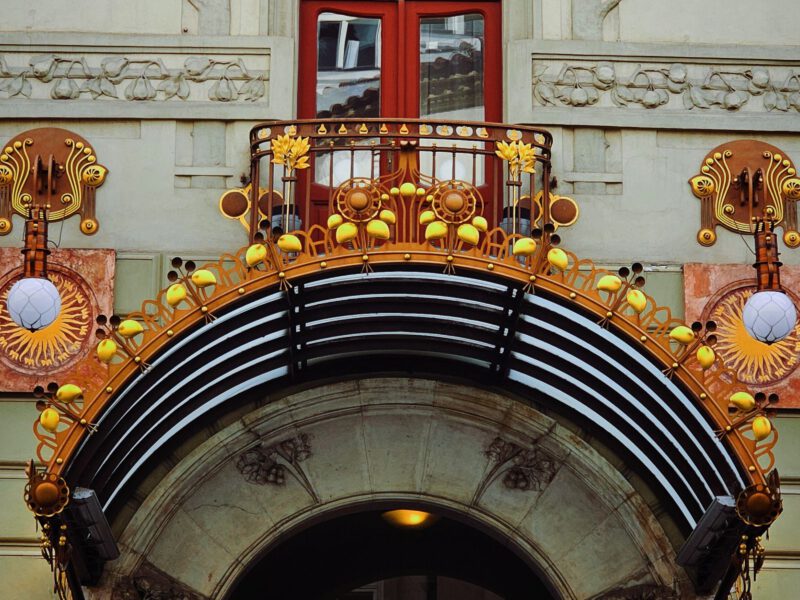
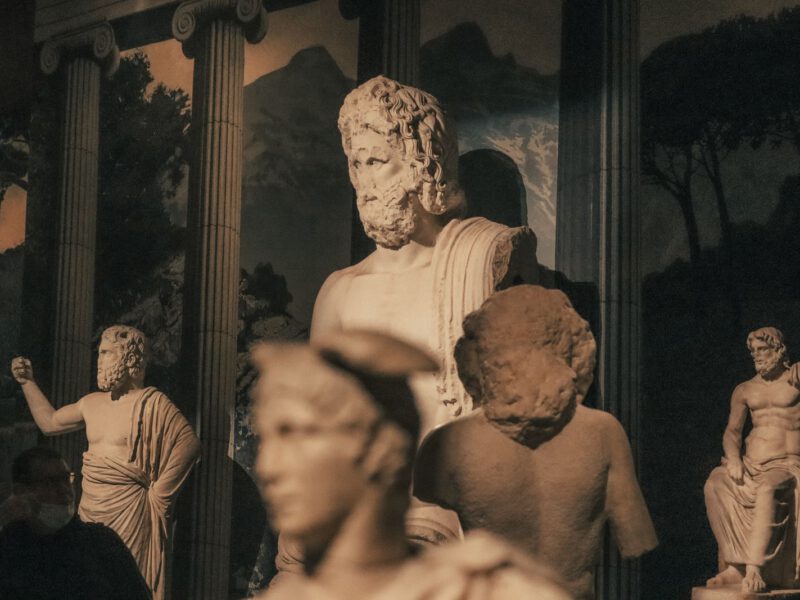
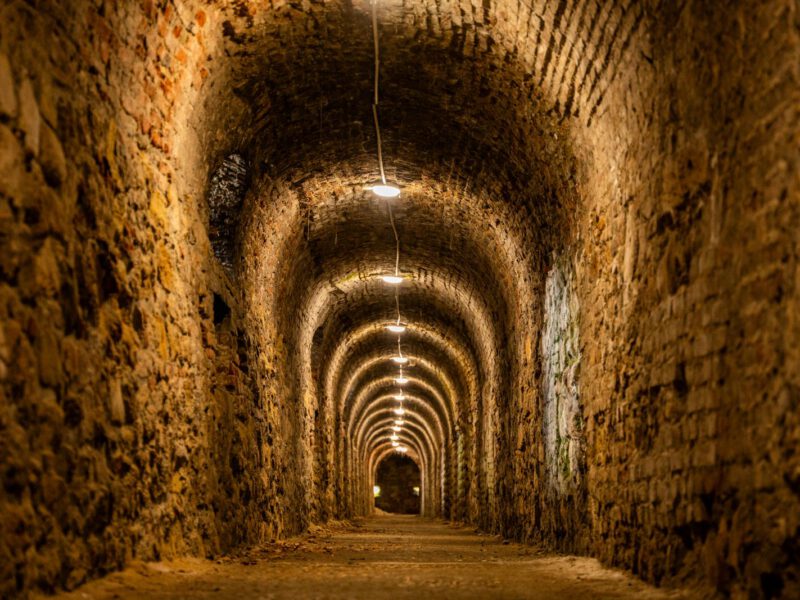
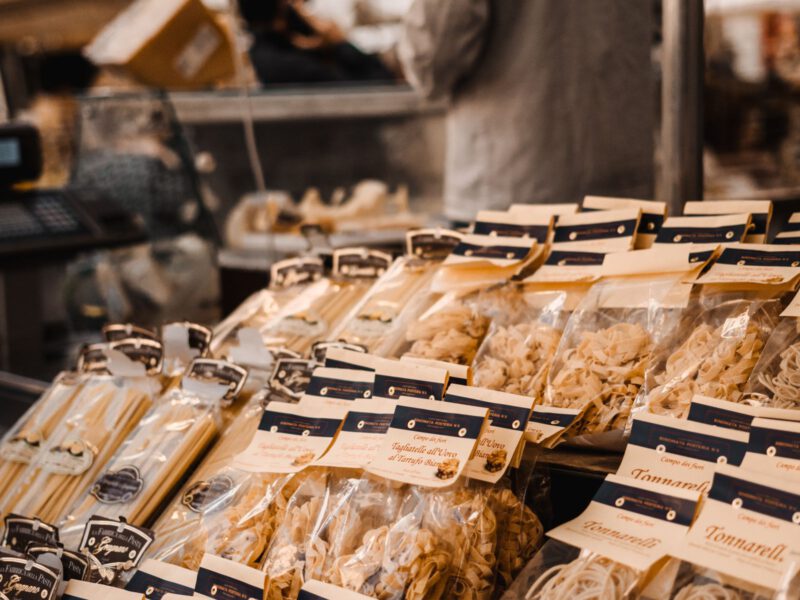
Everyone does the Colosseum, the Trevi Fountain and the Vatican queues — and everyone regrets the crowds. This is the other Rome: the one Romans actually live in. Peer through a keyhole on the Aventine for a secret framed view of St Peter's dome, wander a fairy-tale Art Nouveau quarter most tourists never find, meet ancient gods parked among power-station turbines, descend three storeys through 2,000 years of history under a single church, and eat your way through the city's best food market where nonnas still shop. These five gems are cheap or free, reachable on the Metro, and give you a Rome that feels discovered rather than queued for.
Spring (April–May) and autumn (late September–October) are the sweet spot: warm days, softer light and far fewer crowds than the sweltering July–August peak, when many Romans leave and the heat is brutal. Winter is quiet and mild but some sights keep shorter hours. Whenever you go, start early — the Aventine keyhole and the big viewpoints are calmest before 9am, and food markets wind down by early afternoon.
Rome's centre is compact and walkable, backed by three Metro lines (A, B, B1, C), trams and a dense bus network run by ATAC. A single BIT ticket (around €1.50) is valid 100 minutes across bus, tram and one Metro ride; day passes (24/48/72-hour) and a weekly CIS pass save money if you ride often. Buy tickets at machines, tabacchi (tobacconists) or newsstands and validate on board, or tap a contactless card straight onto Metro turnstiles and many buses. Most gems below sit near Metro Line B stops (Circo Massimo, Piramide, Garbatella) — the line that quietly serves the real, local Rome.