Copenhagen
In short
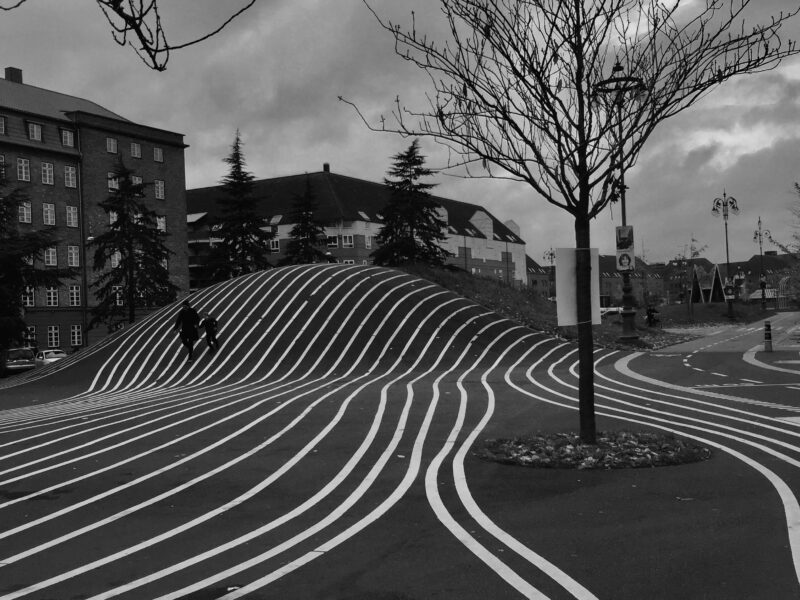
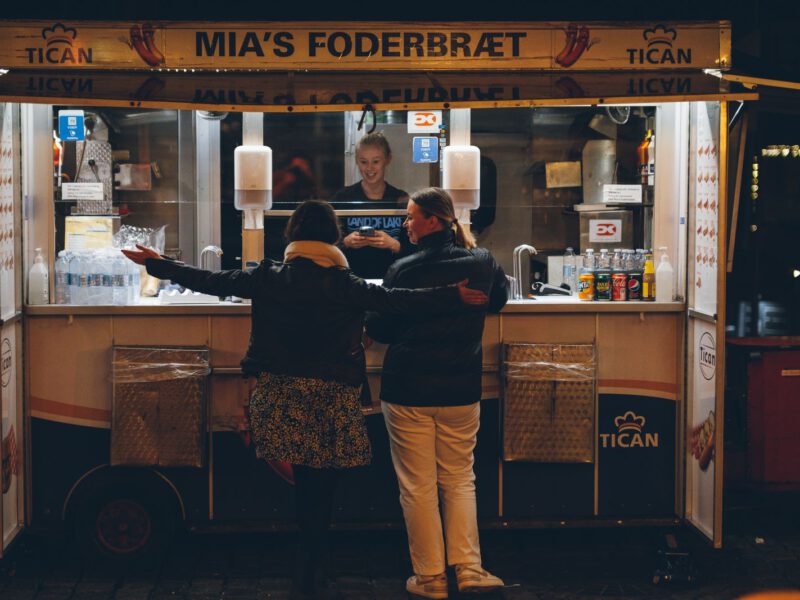
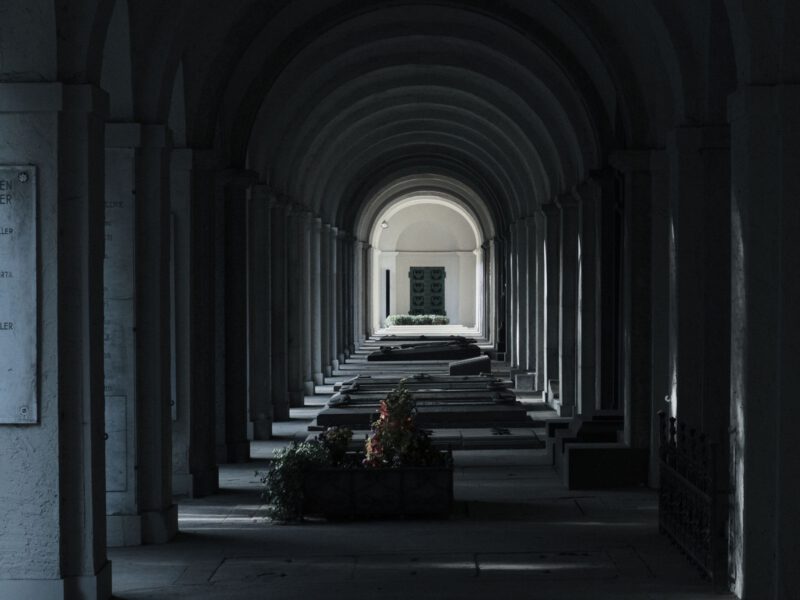
Skip the Little Mermaid selfie scrum and the Nyhavn crowds. The Copenhagen locals actually use is a low-slung, bike-first city where the best afternoons happen in a cemetery that doubles as a park, on a rooftop ski slope bolted to a power plant, and in an underground water reservoir turned art cave. These five gems — Assistens Cemetery, Superkilen, Reffen on Refshaleøen, Cisternerne under Søndermarken, and CopenHill — are all reachable by Metro, bus or a short cycle, mostly free or cheap, and each shows a different side of the city: green, multicultural, industrial-cool, subterranean and radically sustainable.
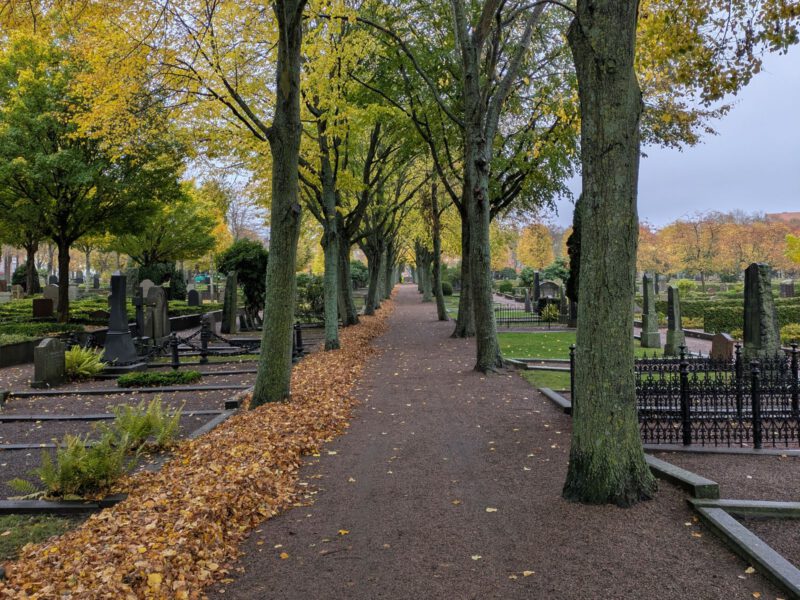
Late spring through early autumn (May–September) is the sweet spot: long daylight, harbour-swimming weather and the street-food island Reffen open for the season (roughly April–October). Copenhagen summers are mild rather than hot, so pack a layer. Autumn is gorgeous in Assistens Cemetery when the leaves turn. Winter is dark and quiet, but that is when the rooftop ski slope at CopenHill and the candle-lit underground of Cisternerne come into their own.
Copenhagen is compact and flat, so bikes and the Metro do most of the work. The driverless Metro runs 24/7, including the M3 Cityring loop that links Nørrebro and Frederiksberg. Buses (including harbour buses on the water) and S-trains fill the gaps. Buy tickets in the DOT Billetter or Rejsekort/Rejseplanen apps, tap a Rejsekort card, or use contactless — a single city-zone ticket is around 24 DKK, or grab a City Pass for unlimited travel. Renting a city bike, or a Donkey Republic app bike, is often faster than public transport for short hops. The Copenhagen Card bundles transport with entry to many attractions if you are sightseeing hard.