Berlin
In short
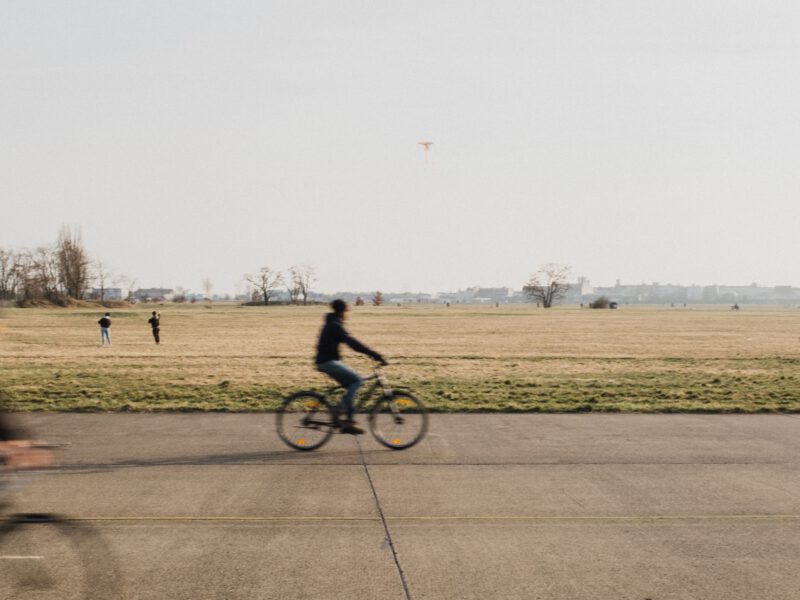
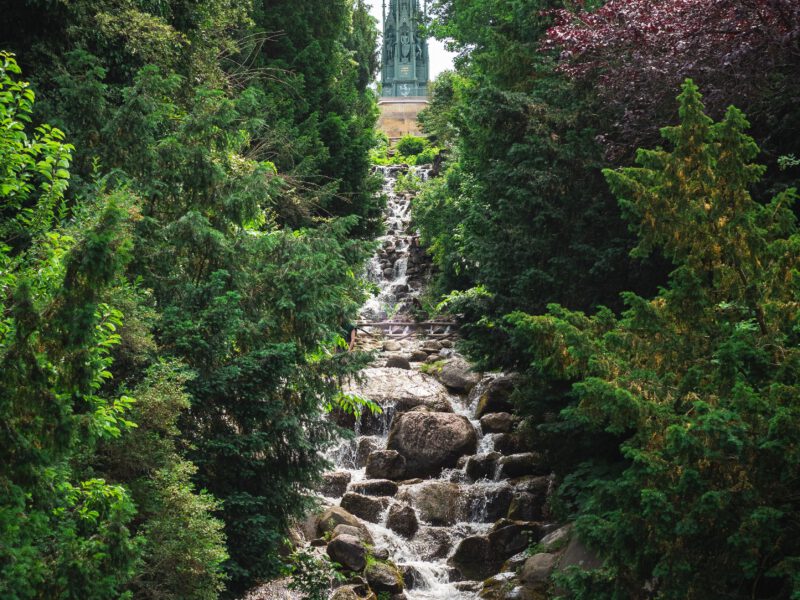
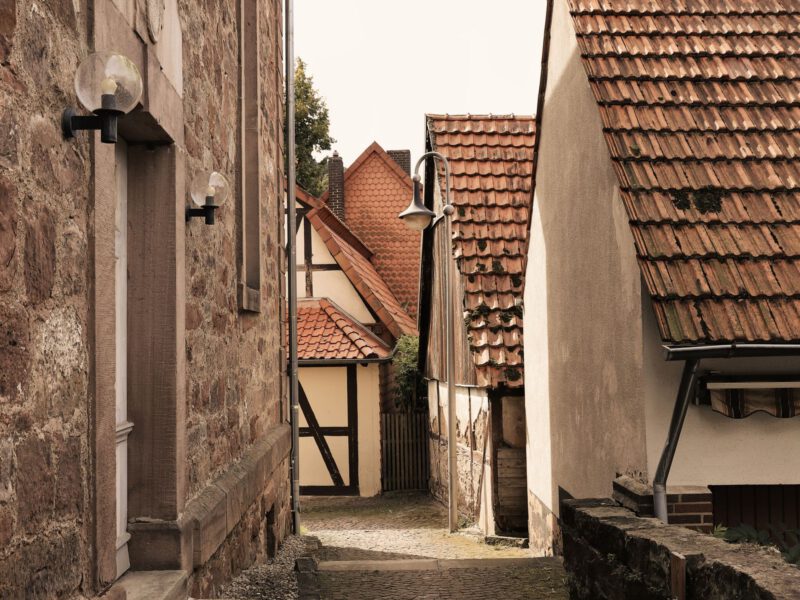
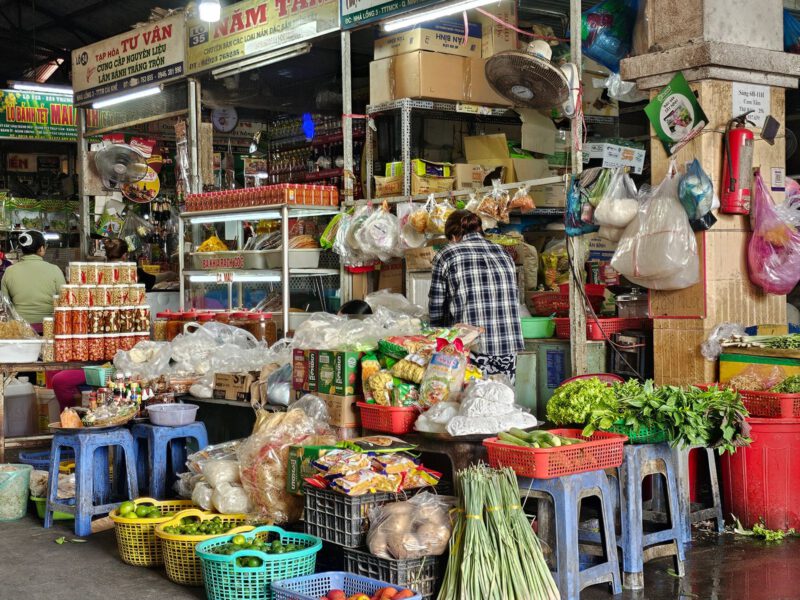
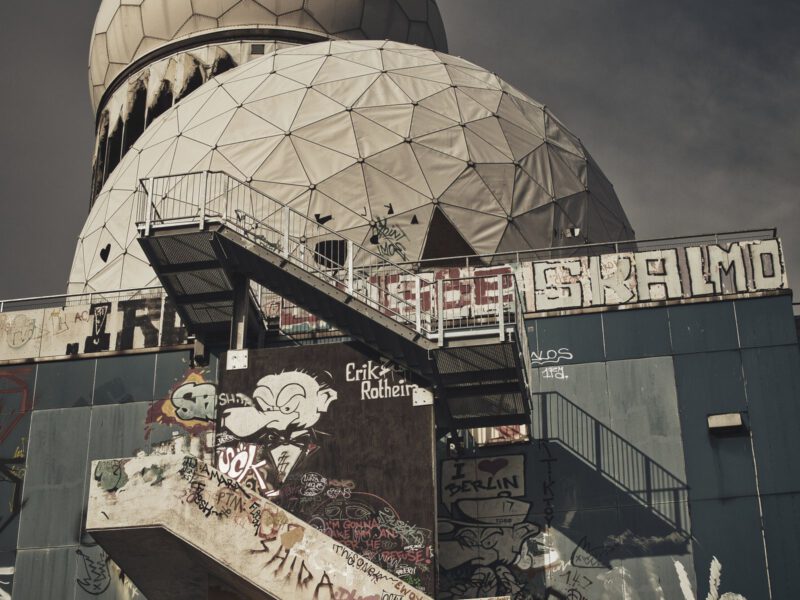
Berlin rewards people who skip the checklist. Everyone photographs the Brandenburg Gate and files past the Reichstag, but the city's real character lives in its edges: a rubble mountain topped with Cold War spy domes, a dead airport turned into the biggest open park in town, a 1730s Bohemian village hiding inside gritty Neukölln, a waterfall on Berlin's tallest inner-city hill, and a sprawling Vietnamese wholesale market that feels like a different continent. These five gems are cheap or free, reachable on a normal transit ticket, and each one tells you more about how Berlin actually works than any queue on Museum Island. Here is the local, under-the-radar version of the city.
Late spring to early autumn (May–September) is the sweet spot: long daylight, warm evenings on Tempelhofer Feld, and Teufelsberg open until well after 8pm. Berlin summers are mild rather than sweltering. Winter is atmospheric but short on daylight and several outdoor spots close early around sunset, so aim for a bright afternoon. Weekday mornings are quietest almost everywhere; weekends bring locals out in force, which is half the fun at the markets and parks.
Berlin's BVG network of U-Bahn, S-Bahn, trams and buses covers everything here on a single ticket. Most of the city sits in fare zones A and B; a standard AB single covers all five gems, and a day pass (Tageskarte) usually pays off after two or three rides. Buy from machines, the BVG app, or increasingly by contactless tap; validate paper tickets before boarding. Trams matter in the eastern districts (they reach the Dong Xuan Center), and the S-Bahn ring is your friend for the outer green spaces. Bikes are excellent too — Berlin is flat and full of cycle lanes.