What is it, exactly?
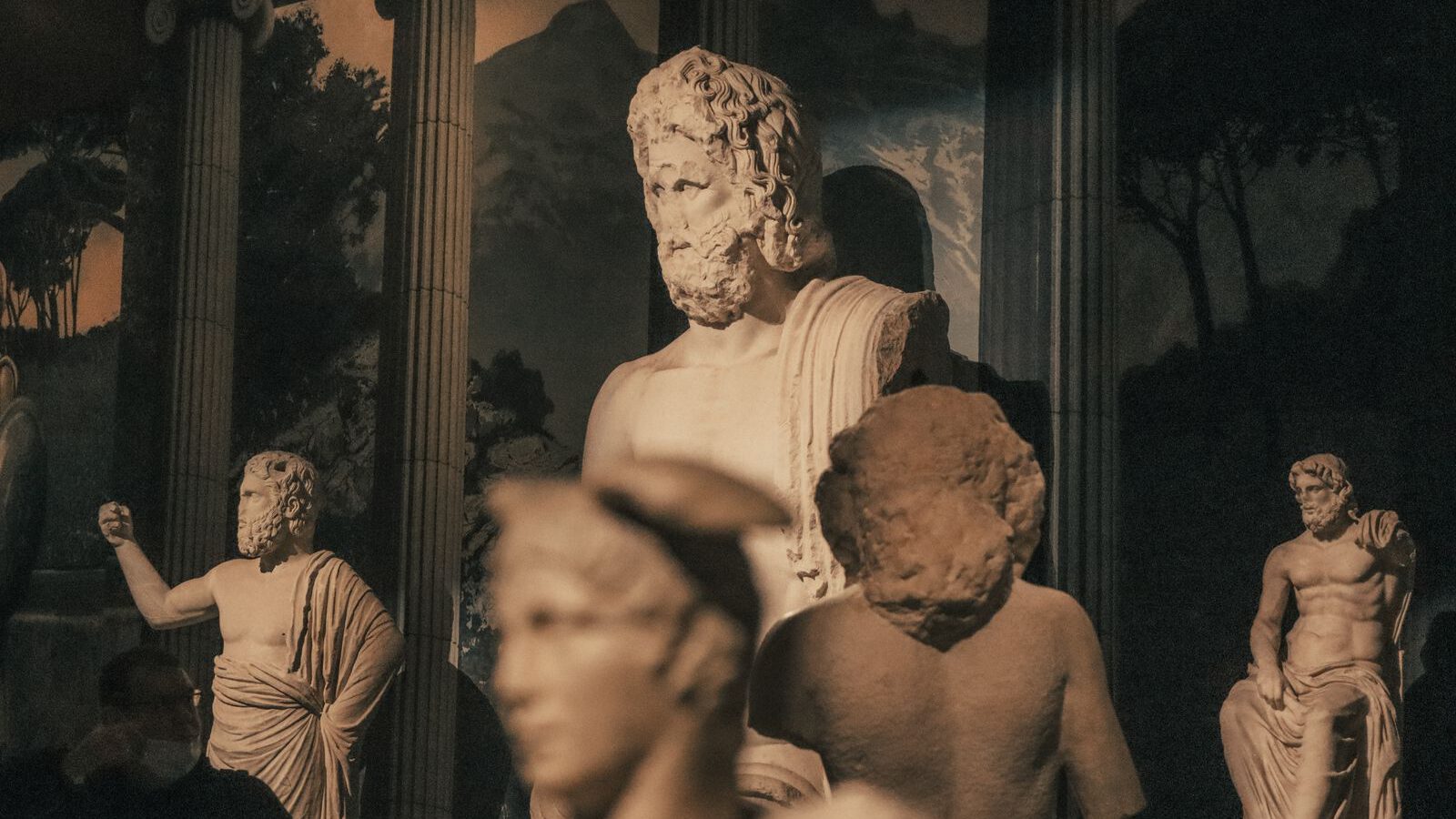
Centrale Montemartini is Rome’s first public electricity plant, now an offshoot of the Capitoline Museums — and the pairing is the whole point. Hundreds of ancient Roman marble statues, mosaics and busts are displayed against the black steel of turbines, diesel engines and boilers left exactly where they stood. Emperors, goddesses and Roman senators stand in front of hulking industrial machinery, and the contrast is genuinely striking: 2,000-year-old marble lit like sculpture in a gallery, framed by early-20th-century engineering.
Is it worth visiting?
Very much so, especially if the Vatican Museums’ shoulder-to-shoulder crush isn’t your idea of appreciating art. Here you get world-class classical sculpture — some of it originally from the Capitoline collections — in a calm, almost empty space where you can actually stand back and look. Instead of shuffling past the Vatican’s marbles in a human river, you have room to breathe, and the industrial setting makes even familiar statue types feel fresh. It’s a favourite of Romans and design lovers, and it’s rarely busy.
How do you get there?
It’s at Via Ostiense 106, in the Ostiense district south of the centre. The easiest route is Metro Line B to Garbatella, which is roughly a 5–10 minute walk away; the Piramide stop and Roma Ostiense station are also within reach, and several buses run along Via Ostiense. It sits handily on the same side of town as the Testaccio market and the Protestant Cemetery if you want to build a half-day.
When to go, and what it costs
Standard admission is around €11 (reduced roughly €6.50); as of 2026, residents of Rome and the Metropolitan City can enter free with ID. It’s open Tuesday to Sunday, about 9am–7pm, and closed on Mondays, with last entry an hour before closing — always check the official site for current hours and any special-date changes. It’s rarely crowded, so any time works, but weekday mornings are quietest. Tickets can be bought on the door or online (small pre-sale fee).
Insider tip
Don’t rush straight to the statues — the star pairing is in the “Sala Macchine” (Machine Room), where the huge diesel engines make the marbles look tiny and theatrical. Look for the grand mosaic floor and the pediment sculptures upstairs too. And because it’s off most tourists’ radar, it’s a brilliant rainy-afternoon backup when the queues everywhere else are miserable.