Vienna
In short
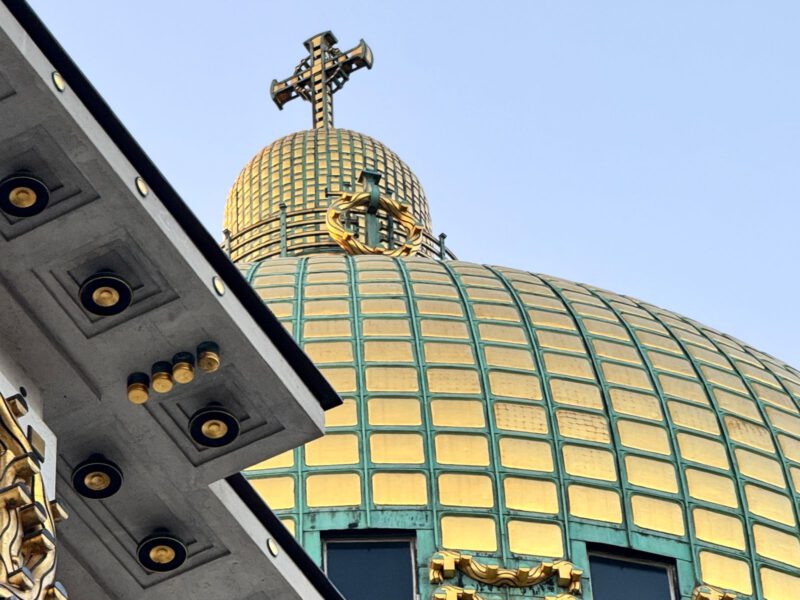
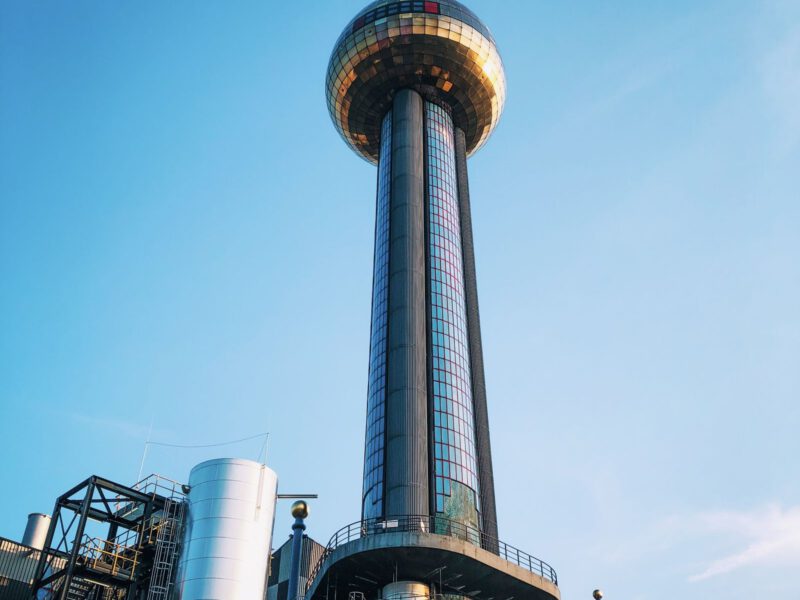
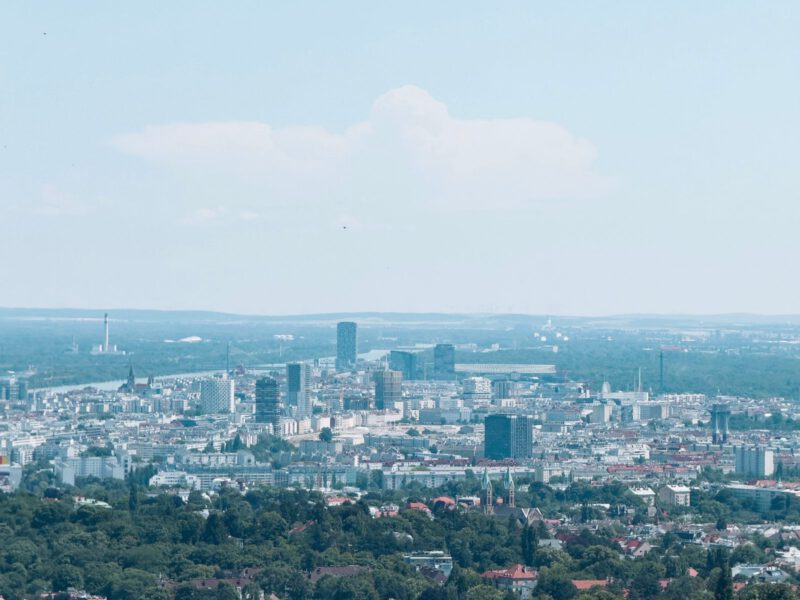
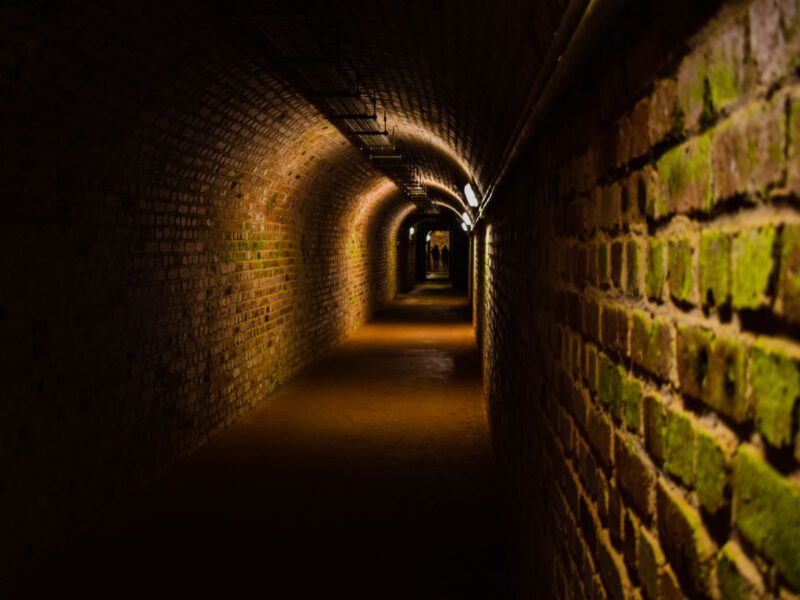
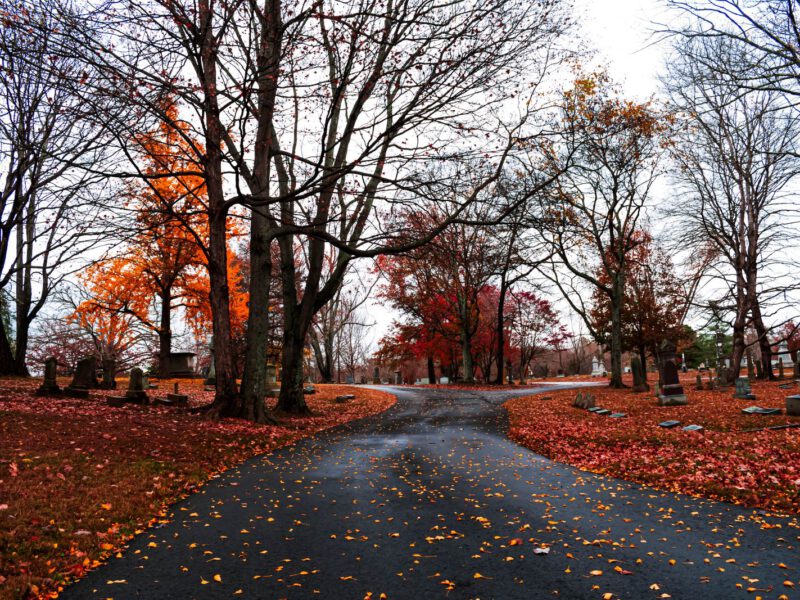
Vienna does grand imperial spectacle better than almost anywhere — but you already know about Schönbrunn, St. Stephen's and the Belvedere's Klimt queue. This is the other Vienna: the one Viennese actually spend their weekends in. A cemetery the size of a town where Beethoven and Falco lie a short walk apart; Otto Wagner's gold-domed asylum church on a hill above the city; a rubbish incinerator turned into a Hundertwasser fantasy; vineyard hills where you drink this year's wine at the source; and the cholera-era sewers made famous by The Third Man. Five reachable, mostly cheap corners that show you how the city really works — history, architecture, wine and film noir, minus the coach parties.
Late spring (May–June) and early autumn (September–October) are the sweet spot: mild weather, open Heuriger gardens, and the Steinhof church and Third Man sewer both running their seasonal hours. High summer is warm and busy; the vineyard hills stay pleasant. Winter is atmospheric but several of these sites (the Steinhof church, the sewer tour) close for the season, so check dates before you go.
Vienna's Wiener Linien network — U-Bahn, trams and buses — is superb and gets you to every gem here. A single ride is roughly €2.40; a 24-hour ticket is about €8 and a 72-hour around €17.10, all covering U-Bahn, tram and bus. Buy from machines, the WienMobil app, or tobacconists, and validate before your first ride. Trams (like the historic 71 to the Central Cemetery) and buses (38A up the Kahlenberg) reach the edges the U-Bahn misses. Contactless pay-as-you-go isn't standard on Wiener Linien, so buy a paper or app ticket in advance.