Dubai
In short
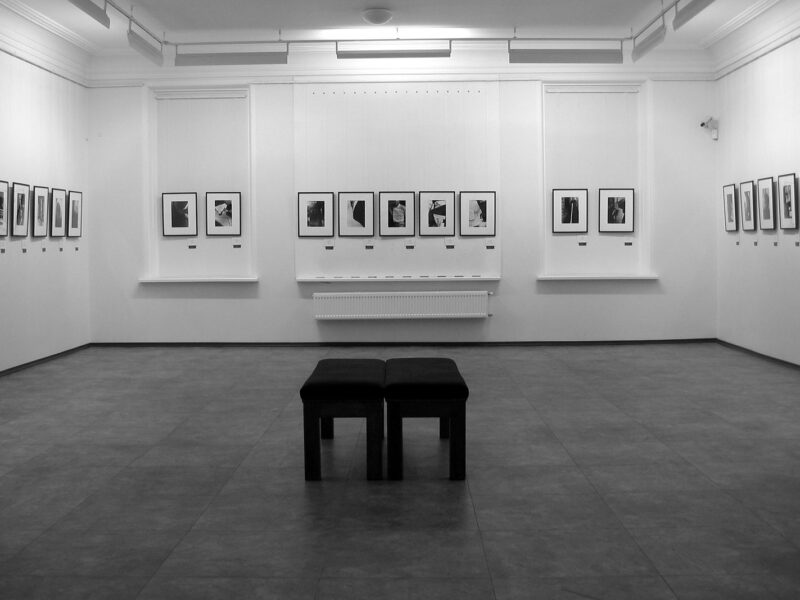
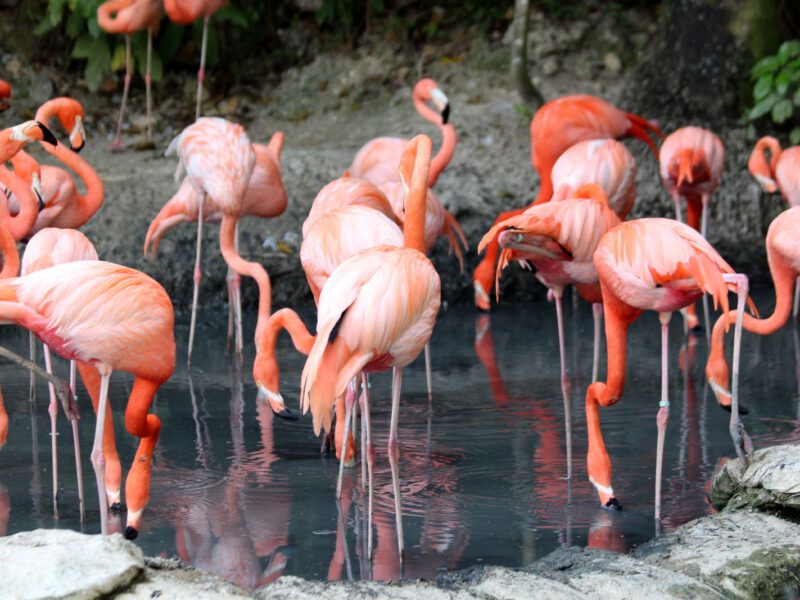
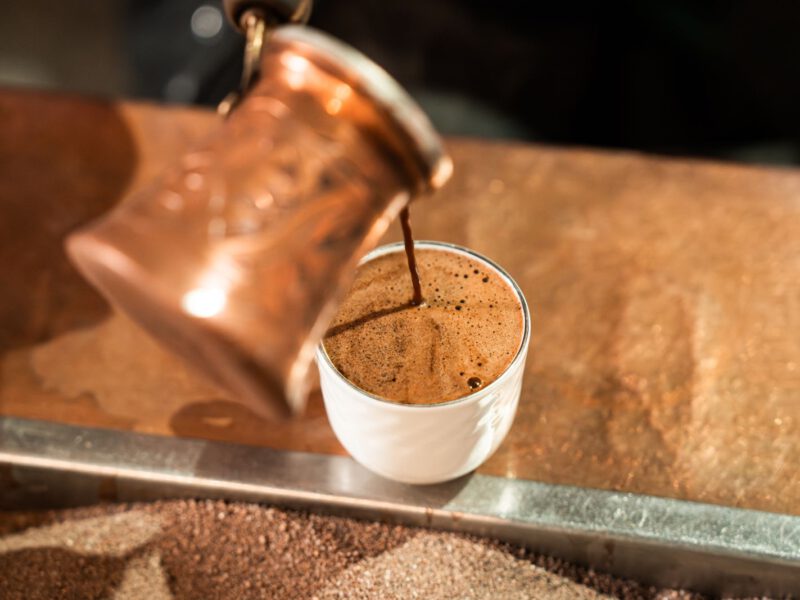
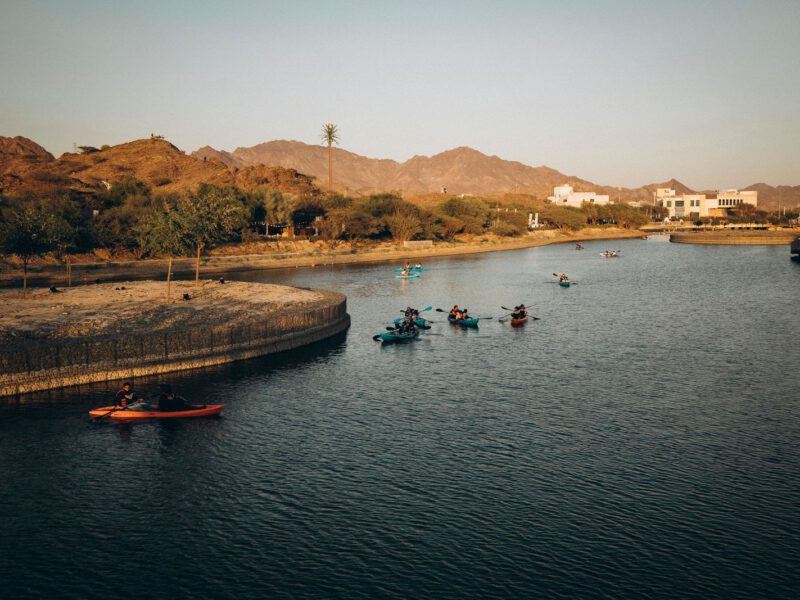
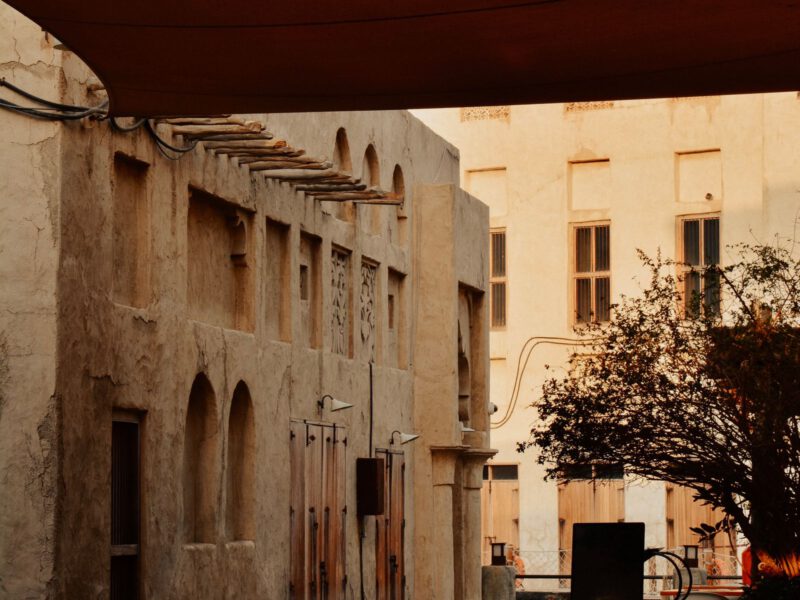
Everyone knows the record-breaking Dubai: the Burj Khalifa, the Dubai Mall, the Palm. This is the other one. Before the towers, Dubai was a creek town of pearl divers, textile traders and coffee merchants, and a lot of that older, slower city is still here if you know where to look. These five gems trade the mall air-conditioning for wind-tower alleys, a one-dirham boat across the creek, a warehouse arts district, a flamingo lagoon inside the city limits, and a mountain reservoir two hours out. Come November to March, when the heat backs off and all of this is genuinely pleasant to walk.
The cooler months, roughly November to March, are the only comfortable time to be outdoors in Dubai. Daytime temperatures sit in the mid-20s Celsius and evenings are mild. From June to September the heat and humidity are brutal (regularly 40C+), so outdoor gems like Al Fahidi, Ras Al Khor and Hatta are best avoided at midday. Early mornings are the sweet spot year-round: cooler air, softer light, fewer crowds, and — at Ras Al Khor — more active birds.
Buy a red paper Nol ticket or a blue Nol card at any Metro station and tap on and off; the same card works on the Metro, trams and public buses. The driverless Metro (Red and Green lines) is clean, cheap and air-conditioned, and reaches old Dubai at Al Fahidi and Al Ghubaiba stations. Taxis and ride-hailing (Careem, Uber) are plentiful and reasonable for short hops the Metro doesn't cover, like Alserkal Avenue and Ras Al Khor. For the creek, the traditional abra water taxi costs just 1 AED, paid in cash to the boatman. Hatta needs a car or an organised tour.