What is it, exactly?
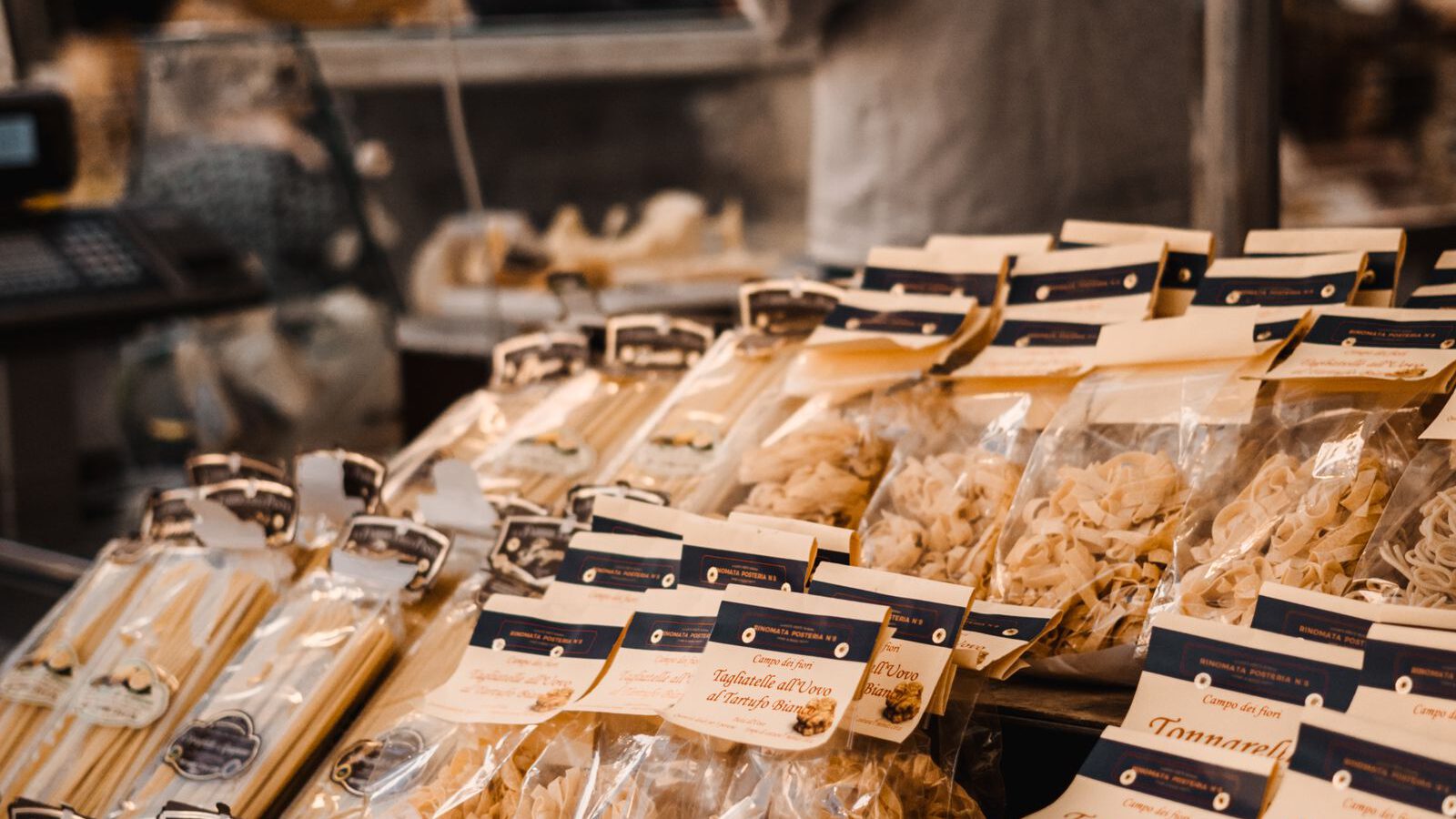
Mercato di Testaccio is the covered neighbourhood food market of Testaccio, historically Rome’s working-class butchers’ district — the birthplace of much of the city’s gutsy cucina romana. Under one modern roof you get 100-plus stalls: fruit and veg, cheese and salumi, fresh pasta and, crucially, a ring of small food counters serving some of Rome’s best cheap eats. Think supplì (fried rice balls), trapizzino (a pizza-dough pocket stuffed with slow-cooked fillings), porchetta rolls, and the famous “panino con l’allesso” boiled-beef sandwich dunked in its own broth. It moved to this purpose-built hall in 2012, but the traders and recipes go back generations.
Is it worth visiting?
If you want to eat like a Roman rather than a tourist, yes — this is the real thing. Prices are local, the quality is high, and you’re surrounded by residents doing their weekly shop rather than selfie sticks. Instead of an overpriced trattoria near a monument, you assemble a €10 feast of street classics and eat it standing at a counter. Testaccio is also the heart of Roman food culture, so it’s the perfect base for a food-focused morning, with the Monte dei Cocci — a whole “hill” made of ancient Roman amphora shards — and old slaughterhouse-turned-arts-complex nearby.
How do you get there?
The market is on the block bounded by Via Beniamino Franklin and Via Aldo Manuzio, in Testaccio. The nearest Metro is Piramide (Line B), around a 12–15 minute walk; trams and buses (and Roma Ostiense station) also serve the area. It’s an easy walk from Centrale Montemartini and the Protestant Cemetery, so you can chain the three.
When to go, and what it costs
Entry is free; you only pay for what you eat and buy, and a proper street-food lunch runs roughly €8–15. The market is generally open Monday to Saturday, mornings into the early afternoon (broadly around 7am–3.30pm), and closed on Sundays — individual stalls set their own hours, and some open late or close early, so go mid-morning to see it at its liveliest. Bring cash for the smaller stalls, though many take cards.
Insider tip
Come hungry and graze across several counters rather than filling up at one — a supplì here, a trapizzino there, then a slice of pizza al taglio sold by weight. Go before about 1pm; the fresh-produce traders start packing up in the early afternoon and the best food stalls can sell out. If you want the backstory, a guided food walk turns a random tasting into an actual lesson in Roman cuisine.