Rome is a city of ancient marble and Baroque swagger, so the last thing you expect to turn a corner into is a spider carved over a doorway, a wrought-iron chandelier hanging in the open air, and a fountain full of frogs. That’s Coppedè — three streets of controlled madness that most visitors never even hear about.
What is this place, exactly?
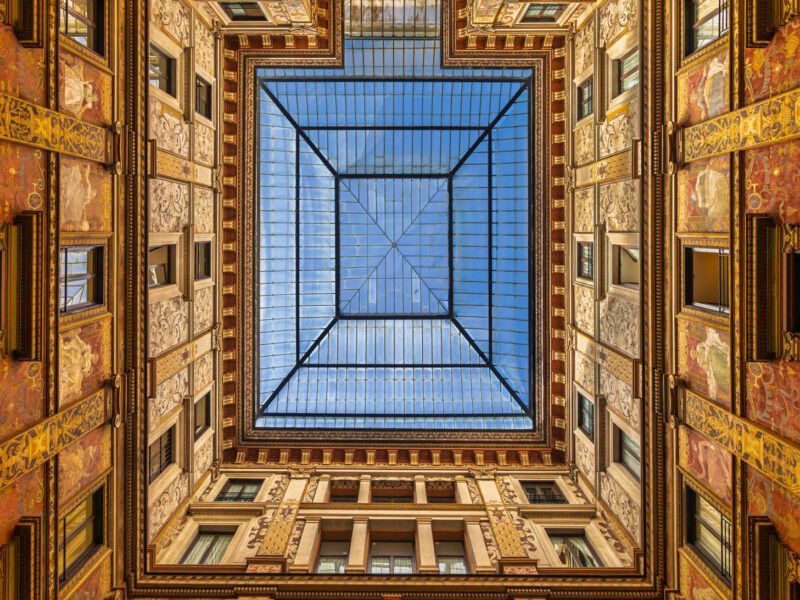
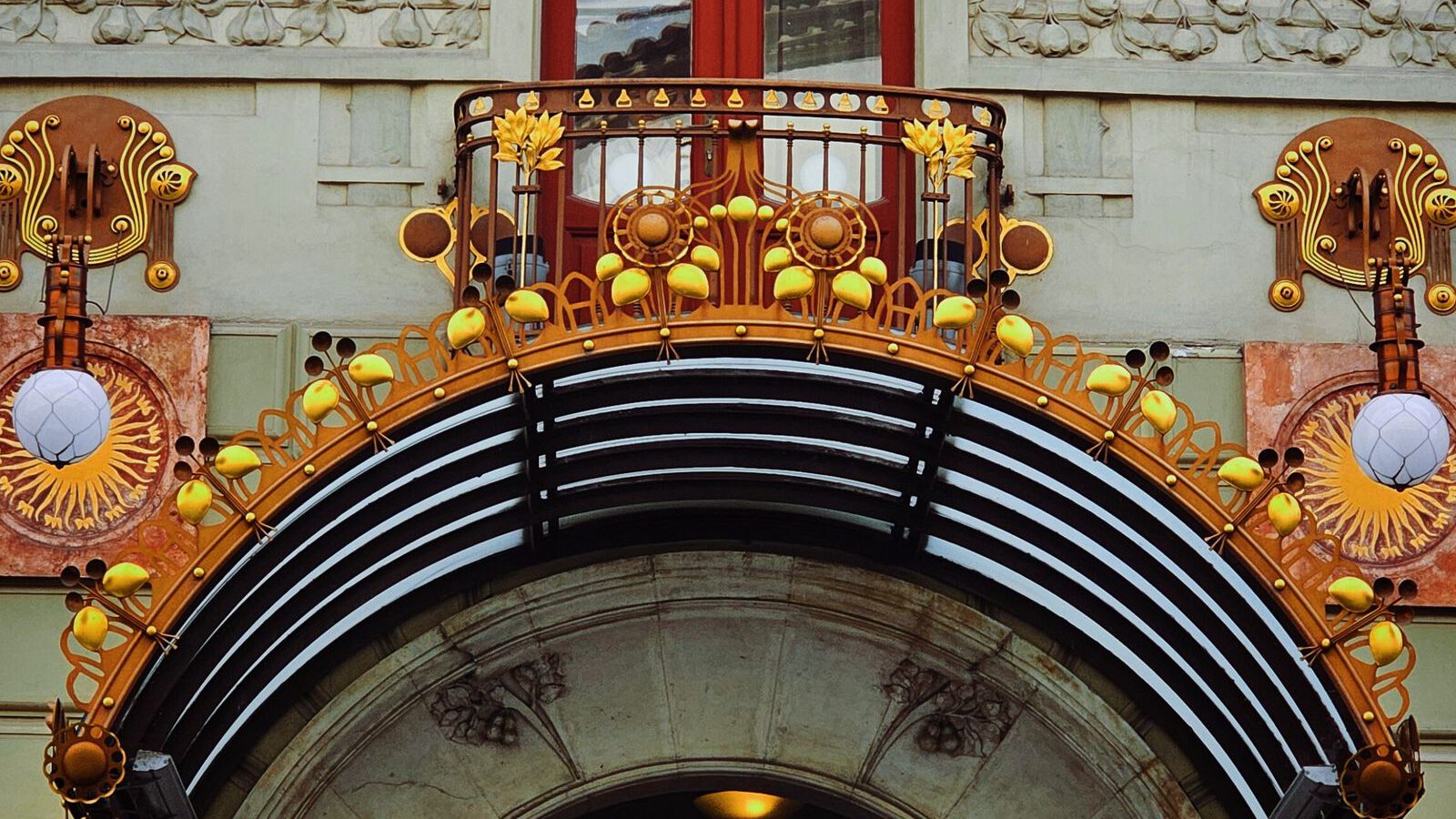
Quartiere Coppedè is a tiny knot of buildings in the smart Trieste district, north of the centre, dreamed up by the Florentine architect Gino Coppedè between 1913 and 1927. It isn’t a museum or a single monument — it’s a real, lived-in cluster of a couple of dozen palazzi and villini arranged around one square, Piazza Mincio. Coppedè threw everything into the mix: Art Nouveau (the Italians call it Liberty), medieval towers, Baroque flourishes, ancient-Greek and even Assyrian motifs, plus a layer of pure fairy-tale fantasy. Look up and you find gargoyles, painted Madonnas, suns, spiders, and mythological beasts crawling across the façades. At the centre burbles the Fontana delle Rane (Fountain of the Frogs), a 1924 basin ringed with twelve frogs — the one the Beatles reportedly jumped into after a 1965 gig in Rome.
Is it actually worth going out of your way for?
If you like architecture with a sense of humour, absolutely — but be realistic about scale. This is a small, dense pocket you can walk in 30 to 45 minutes, not a half-day. What makes it worth the tram ride is that it’s unlike anything else in Rome and blissfully quiet: you’ll share it with a handful of photographers and the residents who genuinely live behind these gargoyles. It rewards slow looking. The best individual buildings to hunt down:
- The entrance arch on Via Dora — the grand iron-and-stucco gateway strung with a huge wrought-iron chandelier, easy to walk straight under without noticing.
- Palazzo del Ragno (“Spider Palace”) — named for the large spider mosaic above its entrance, a symbol of industriousness.
- The Villini delle Fate (“Fairy Houses”) on and around Piazza Mincio — asymmetric, frescoed, no two windows alike, the maddest of the lot.
A word of respect: people sleep, work and raise kids here. Keep your voice down, don’t wander into private courtyards, and don’t block doorways for a photo.
Getting there
The simplest approach is by tram. Trams 3 and 19 stop at Piazza Buenos Aires, a two-minute walk from the entrance on Via Dora into Piazza Mincio. Buses 63, 83, 92 and others run along nearby Via Tagliamento and Viale Liegi. If you’re on the Metro, Line B’s Sant’Agnese / Annibaliano or Policlinico stops are each about a 15-minute walk. It slots neatly onto a visit to the nearby parks of Villa Torlonia or Villa Ada, both a short stroll away.
When to go, and what it costs
It’s a public neighbourhood, so it’s free and open around the clock — nothing to book. Come in daylight to actually see the detail and colour; late afternoon light is kindest to the façades. Avoid lingering loudly after dark out of courtesy to residents. Allow 30–60 minutes, more if you photograph every creature. There are cafés on the surrounding streets if you want to sit afterwards.
What to pair it with
Because Coppedè is small, it’s best treated as one stop on a leisurely northern-Rome morning rather than a trip in its own right. The surrounding Trieste and Salario districts are handsome, residential and almost entirely tourist-free, which is the point — you get a slice of ordinary, well-heeled Roman life. A short walk away lies Villa Torlonia, a leafy park with Mussolini’s former residence (the Casino Nobile) and the whimsical Casina delle Civette (“House of the Owls”), a stained-glass fantasy that rhymes nicely with Coppedè’s fairy-tale mood. A little further sits the larger Villa Ada park. Grab a coffee or a gelato on Via Tagliamento before or after, and you’ve turned a ten-minute curiosity into a genuinely pleasant half-day off the tourist track.
Insider tip
Enter deliberately through the big arch on Via Dora rather than drifting in from a side street — the reveal into Piazza Mincio is designed to hit you all at once, and it lands far better that way. Then immediately turn and look up and behind the arch: the giant iron chandelier is directly overhead and almost everyone misses it. The buildings are tall and packed tight, so a phone’s ultra-wide lens (or simply stepping back to the far side of the square) is the only way to fit the Fairy Houses and the Spider Palace into a frame. Fifteen quiet minutes with your neck craned upward beats a rushed lap every time.