What is it, exactly?
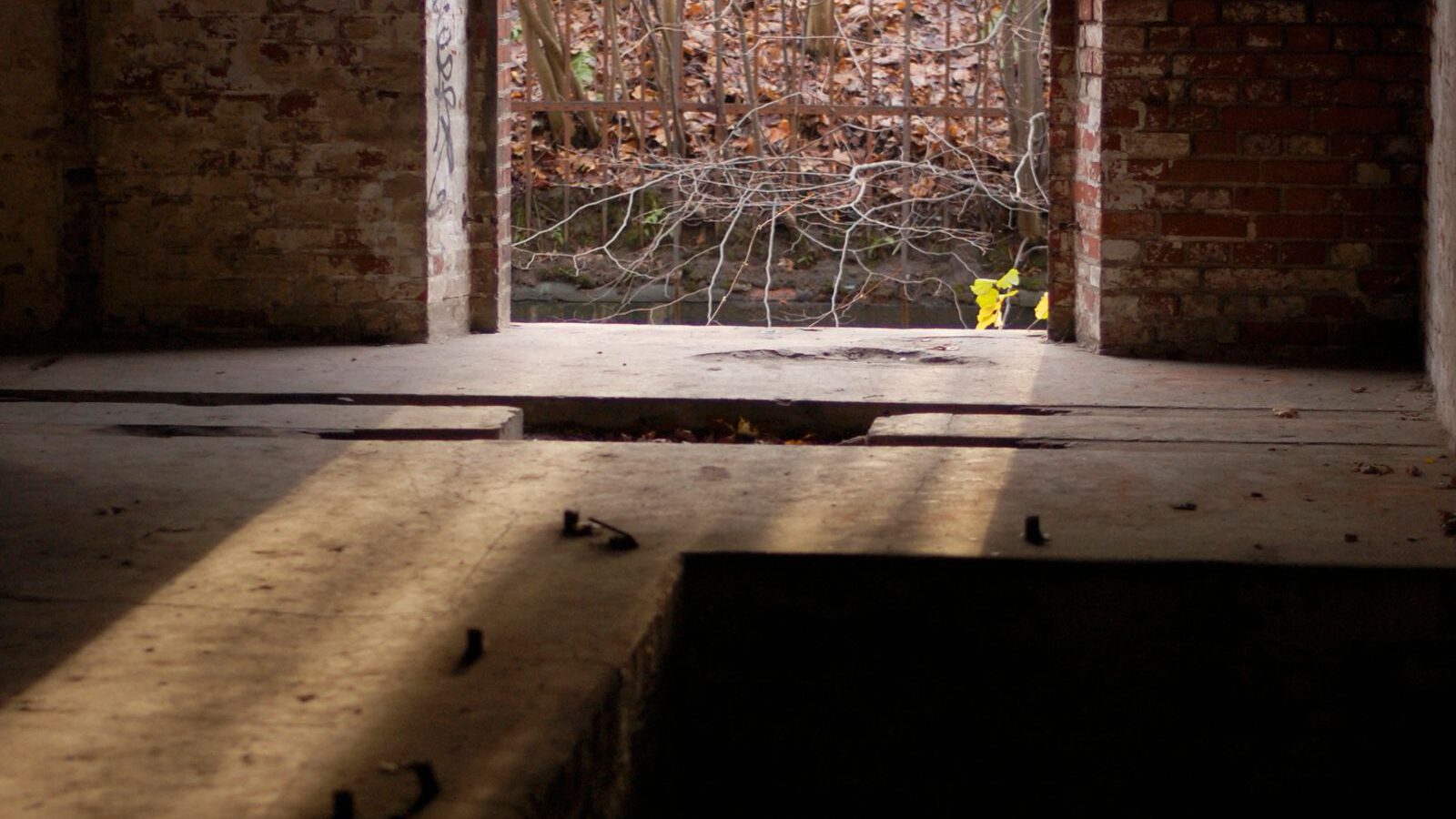
Refugi 307 is one of the best-preserved of the roughly 1,400 air-raid shelters that the people of Barcelona dug themselves during the Spanish Civil War, when the city was one of the first in Europe to be systematically bombed from the air, mostly by Italian aircraft flying from Mallorca. It is cut into the flank of Montjuïc in the Poble-sec neighbourhood, and it is a warren of low, curving tunnels — around 200 metres of them — with a doctor’s room, a children’s area, a water fountain and a toilet, built to a design meant to absorb blast waves. Neighbours dug it by hand from 1937, and it was never finished. It is now part of the MUHBA, the Barcelona History Museum, and you go in on a guided tour that walks you through the tunnels and the story of civilian life under the bombs.
Is it worth visiting?
It is one of the most affecting hours you can spend in Barcelona, and one of the cheapest. This is not a reconstruction or a museum set — it is the actual shelter, dug by the actual residents of the streets above it, and the guides tell it through real people and real decisions rather than dates and generals. In a city that mostly sells sunshine, tapas and Gaudí, it is the single best correction to the idea that Barcelona’s history is all Modernista beauty. Two honest caveats: it is a guided visit only, so you cannot just wander in, and the tunnels are low, narrow and can feel close, so it is not ideal if tight spaces bother you. For everyone else it is unmissable.
How do you get there?
The shelter is at Nou de la Rambla 169 in Poble-sec, at the foot of Montjuïc. Paral·lel station, on the green L3 and purple L2, is the nearest metro, about a five to eight minute walk, and it is also where the Montjuïc funicular starts if you are combining this with the hill. Poble Sec on L3 is a similar distance. Buses run along the Avinguda del Paral·lel nearby.
When to go, and what it costs
Entry is by guided tour and it is cheap — around €3.50 — but you must book ahead, because places are limited and tours run in set language slots. The regular public tours are on Sunday mornings, typically with an English tour first followed by Spanish and Catalan slots; on other days the shelter generally opens only to pre-booked groups. Because both the times and the languages change, reserve through the official MUHBA website before you travel and confirm which slot is in English. Wear closed shoes and take a layer — it is cool and uneven underground.
Insider tip
Book the English slot the moment you know your dates, because the Sunday English tour is small and fills first. Then build the rest of the day around it: Poble-sec just outside is one of Barcelona’s best and least touristy eating neighbourhoods — Carrer de Blai is a whole street of one-euro pintxos bars — and Montjuïc, with its gardens, castle and museums, rises directly behind the shelter. An hour underground followed by an afternoon on the hill above it is a near-perfect, mostly cheap day.