What is it, exactly?
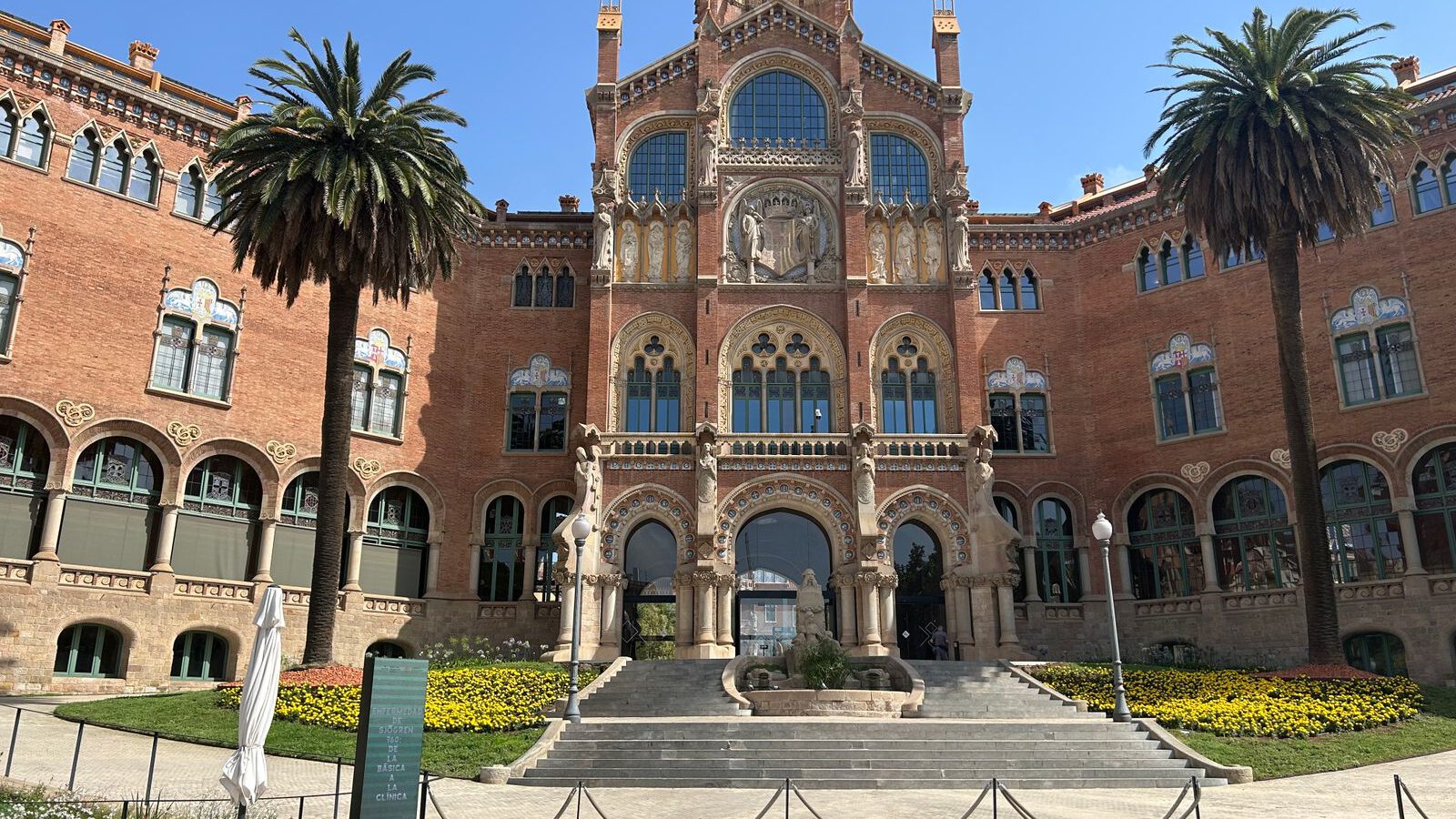
The Recinte Modernista de Sant Pau is the original site of the Hospital de la Santa Creu i Sant Pau, designed by Lluís Domènech i Montaner — one of the three great Catalan Modernista architects alongside Gaudí — and built between roughly 1902 and 1930. It is not one building but a whole walled garden-city of pavilions: brick, mosaic, stained glass, sculpture and tiled cupolas, laid out on the diagonal and linked underground by a network of service tunnels, on the theory that patients heal faster among gardens and light than in a single grim block. It functioned as a working hospital until 2009, when medicine moved into a modern building next door and the historic pavilions were restored and opened to visitors. Together with the Palau de la Música Catalana, also by Domènech i Montaner, it was made a UNESCO World Heritage Site in 1997, and it is one of the largest Art Nouveau complexes in Europe.
Is it worth visiting? — and why not just the Sagrada Família?
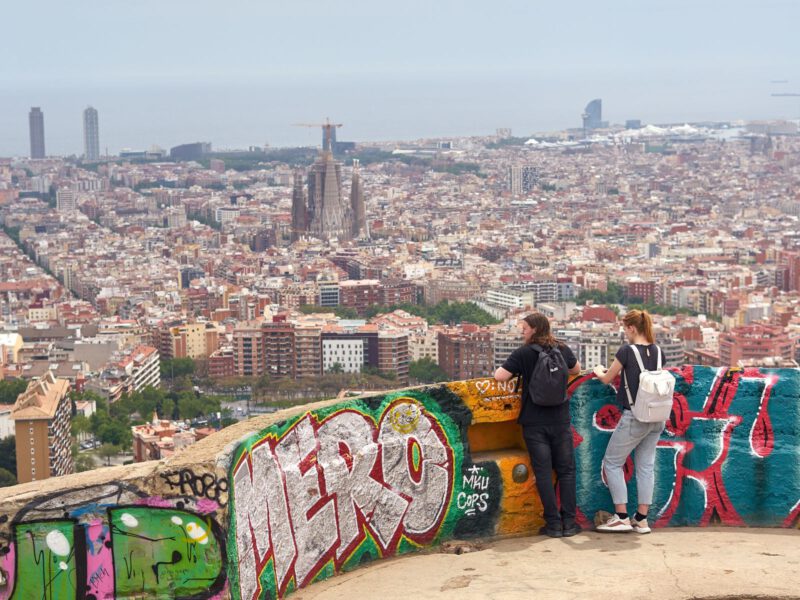
See the Sagrada Família too — but if you have already stared at the queue and the ticket price and hesitated, this is the answer. Sant Pau delivers the same early-20th-century Catalan imagination — the colour, the ceramics, the sculptural excess — with a fraction of the crowd, a lower ticket price, and space to actually breathe. You can wander the gardens, go down into the tunnels, and stand alone under a tiled dome that would be mobbed if it had Gaudí’s name on it. It sits, not coincidentally, at the far end of the Avinguda de Gaudí from the Sagrada Família, so the classic move is to do both in one walk. Give it 1.5 to 2 hours. The only real caveat is that it is a Modernista site rather than a still-working hospital, so come for the architecture, not for medical history theatre.
How do you get there?
The metro drops you almost at the gate. Take the yellow L4 to Guinardó–Hospital de Sant Pau, or the blue L5 to Sant Pau–Dos de Maig; both are a couple of minutes’ walk from the entrance. If you would rather build up to it, walk the roughly one kilometre up the tree-lined Avinguda de Gaudí straight from the Sagrada Família — a pedestrianised diagonal that lines the two monuments up at either end and is one of the nicer short walks in the city.
When to go, and what it costs
It opens daily, every day of the year except 25 December, with longer hours from April to October (roughly 09:30 to 18:30) and shorter ones from November to March (roughly 09:30 to 17:00) — check the current times as they shift seasonally. General self-guided admission starts at around €17, with guided and themed tours costing more and under-12s usually free; there are also a few free-entry days each year, such as 23 April (Sant Jordi), the Night of the Museums, and 24 September (La Mercè). Go early in the day or in the last hour before closing to have the pavilions to yourself, and pick a bright day, because the whole design is built around natural light through stained glass.
Insider tip
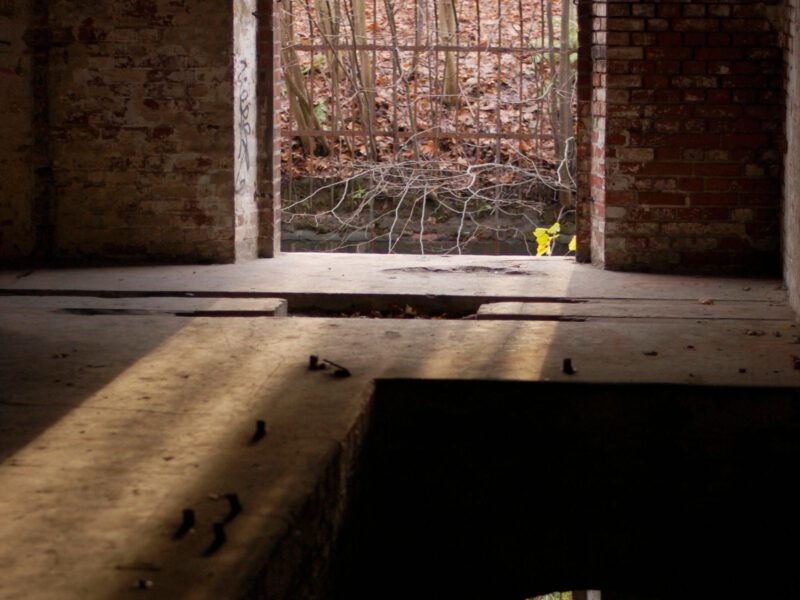
Go underground. Most visitors stay at garden level, but the tunnels that once moved patients and supplies between the pavilions are part of the visit and are the detail that makes the whole “healing garden-city” idea click into place. Above ground, the pavilion to prioritise is the administration building with its grand main hall and the vaulted mosaic ceilings — save your battery for that. And time your walk so you finish on the Avinguda de Gaudí at dusk, with the Sagrada Família lit up at the far end of it.