What is it, exactly?
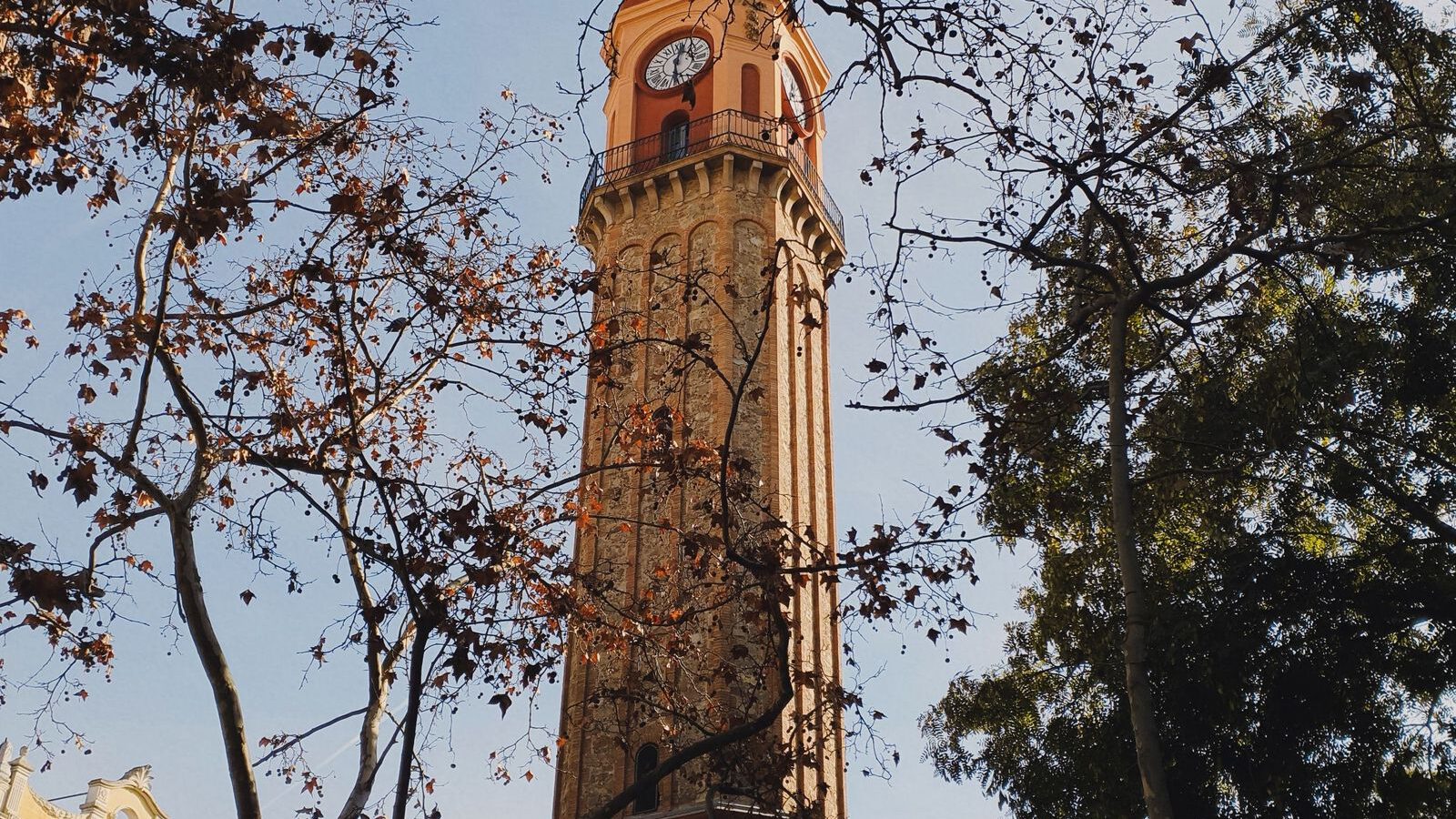
Gràcia was an independent town until it was swallowed by Barcelona in 1897, and it still feels like one: a dense grid of narrow, low-rise streets north of the Eixample, strung together by a series of pedestrian squares that work as the neighbourhood’s living rooms. The famous names are Plaça del Sol (the young, buzzy, evening one), Plaça de la Vila de Gràcia with its landmark 19th-century clock tower and the old town hall, and Plaça de la Virreina, a quieter, plane-tree-shaded square in front of the church of Sant Joan. There is no single “sight” here — no ticket, no monument, no queue. The attraction is the neighbourhood itself: independent shops, original-language cinemas, vermouth bars, and squares where families, students and pensioners all end up at the same outdoor tables.
Is it worth visiting? — and why not just La Rambla or the Gothic Quarter?
La Rambla is now essentially a corridor for cruise passengers, and the Gothic Quarter, for all its beauty, is at peak times more souvenir shop than city. Gràcia is where you go to see how Barcelona actually lives. Prices are lower, the squares are full of locals rather than tour groups, and an evening of drifting between them — a drink here, a plate there — is one of the great cheap pleasures of the city. It is not “undiscovered” in the sense of empty; it is well-loved, including by locals, which is exactly the point. Come for atmosphere and food, not for a specific attraction, and you will have a better night than La Rambla can offer at twice the price.
How do you get there?
Fontana, on the green L3, drops you straight into the heart of it — walk down Carrer Gran de Gràcia or the side streets and you are among the squares in minutes. Diagonal (L3 and L5) is at the southern edge, and the Gràcia FGC station on the city commuter rail is also close. From Fontana, the classic short circuit links Plaça de la Virreina, Plaça de la Vila de Gràcia and Plaça del Sol on foot within about ten to fifteen minutes of easy wandering.
When to go, and what it costs
The squares are free public space, open at all hours; you only spend on food and drink, and Gràcia is noticeably cheaper than the old town for both. Early evening, from around 19:00, is when the squares fill and the light is best — this is when to come. The one date to know is the Festa Major de Gràcia in mid-to-late August, when residents spend months decorating their streets to compete for the best-dressed street and the whole neighbourhood turns into a week-long party with concerts, human towers and processions; it is spectacular and extremely crowded, so decide which experience you want. Sundays are gentle and family-heavy; late nights, especially around Plaça del Sol, can be loud, and residents have long-standing gripes about the noise, so be a good guest.
Insider tip
Do not settle in the first square you reach. The trick in Gràcia is to keep moving: one drink and a small plate per square, walking the narrow streets between them, so you end up seeing four or five and eating your way across the whole neighbourhood rather than parking at one terrace. Order vermút before dinner as the locals do, and if you want the calmer end of the experience, aim for Plaça de la Virreina rather than the busier Plaça del Sol. Almost everything worth eating here is a family-run bar rather than anything with a queue outside.