What is it, exactly?
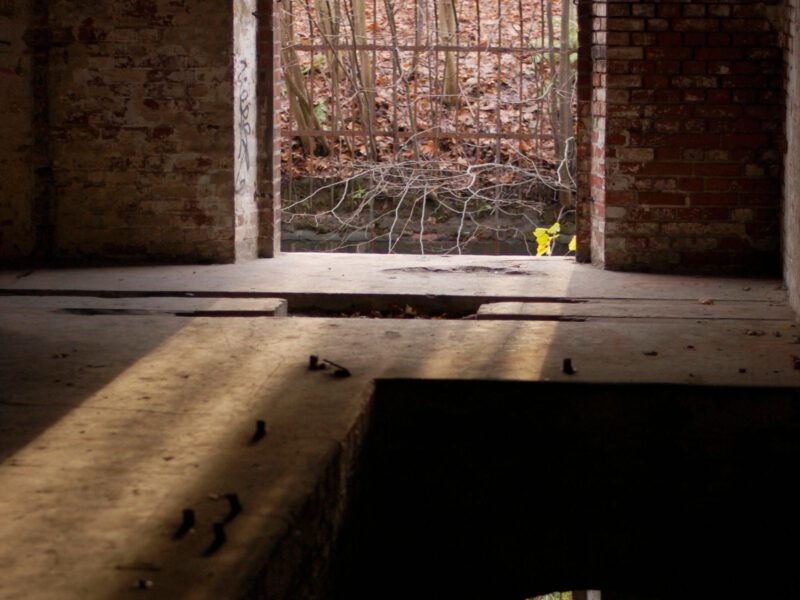
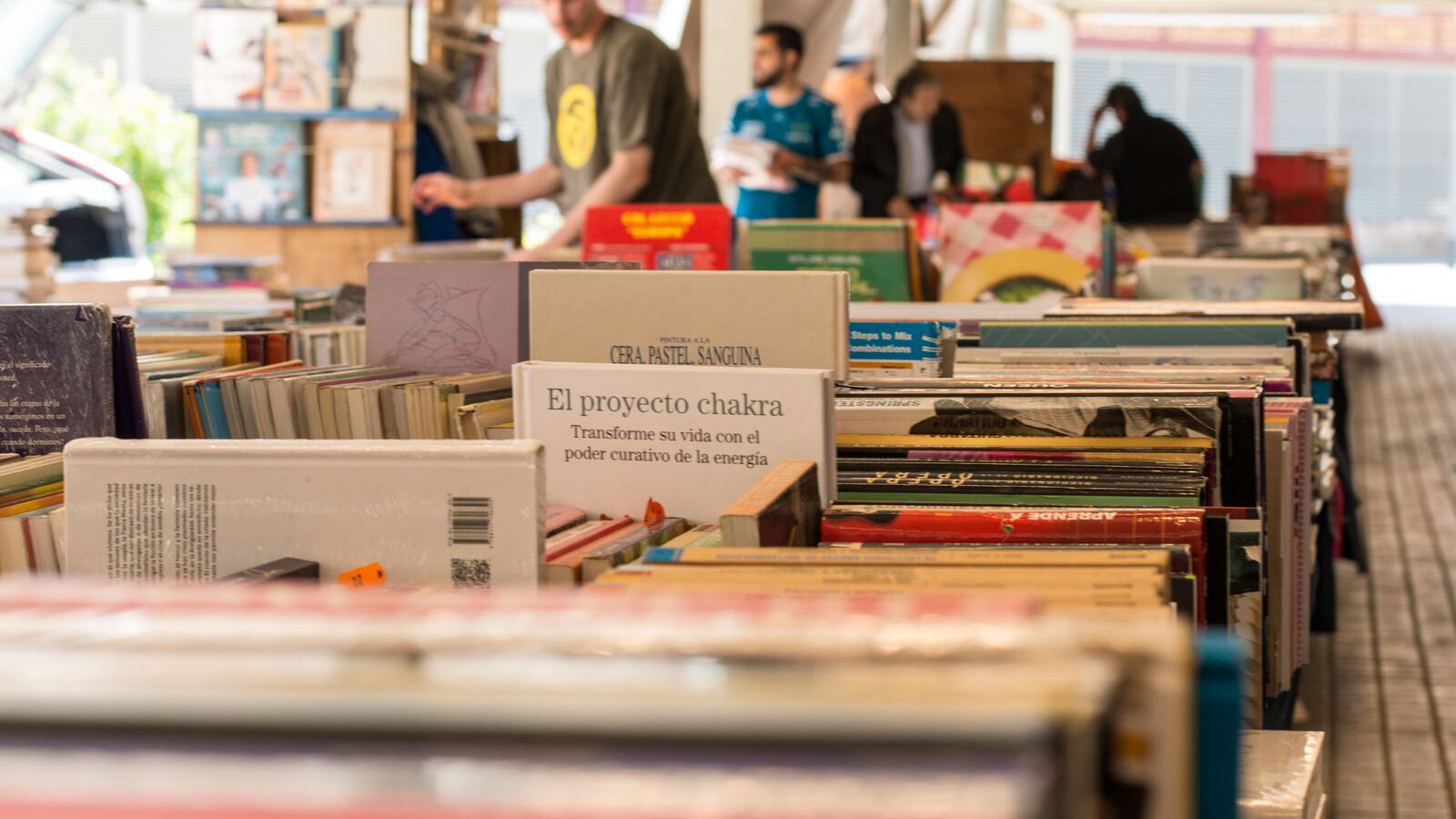
Mercat de Sant Antoni is a vast 1882 wrought-iron market hall on the edge of the Eixample and El Raval, and it reopened in May 2018 after a nine-year, roughly €80 million restoration. That restoration ran long because of what the diggers found: the old Sant Antoni bastion — part of the 18th-century wall that once separated the old city from the new Eixample — plus a stretch of the Roman Via Augusta and a 1st-century burial site. All of it is now preserved and visitable in a below-ground archaeological space beneath the market. Upstairs, the main hall is a proper working food market of dozens of stalls. And on Sunday mornings the surrounding arcades host the Mercat Dominical de Sant Antoni, a second-hand book, comic, magazine, vinyl and collectibles market that is one of the largest of its kind in Europe.
Is it worth visiting? — and why not just La Boqueria?
La Boqueria off La Rambla is spectacular and completely overwhelmed — a place locals now mostly avoid, where a lot of stalls sell photogenic fruit cups to a crush of tourists. Sant Antoni is the working market La Boqueria used to be, in a building that is arguably finer, with prices aimed at people who live here rather than people photographing it. You get three things in one spot: a genuine neighbourhood food hall, an underground Roman-and-medieval archaeology site included with a look around, and — if you time it right — a Sunday book market where you can dig through crates for a €2 novel or a decades-old comic. It is not a hidden secret so much as a local institution most visitors simply never think to cross town for.
How do you get there?
Easiest of the whole list. The Sant Antoni station on the purple L2 sits right at the market, a one-minute walk. Universitat (L1 and L2) and Poble Sec (L3) are each under ten minutes on foot, and plenty of buses run along the Ronda de Sant Antoni. For the Sunday book market especially, come by metro — the streets round the market fill up and parking is a lost cause.
When to go, and what it costs
Entry to the market and the archaeological area is free; you only pay for what you buy or eat. The food hall runs Monday to Saturday, typically from early morning to mid-evening, with reduced or split hours on some weekdays — check the current schedule, as the exact times vary by source. The Mercat Dominical book market runs on Sunday mornings, roughly 08:30 to 14:00. For food, go on a weekday morning when the stalls are fully stocked and the neighbourhood is shopping; for books and browsing, Sunday morning is the only option and the earlier you arrive the better the pickings. Bring some cash, as not every small trader takes cards.
Insider tip
Do not skip the basement. The archaeological level with the bastion and the Roman road is included and quiet, and it turns a market visit into a genuine layer-by-layer look at how Barcelona grew. Then eat around the edges rather than inside: the streets immediately surrounding Sant Antoni — this is the heart of the neighbourhood that gave its name to a whole wave of good, unfussy bars and brunch spots — are where locals actually sit down. A vermút (Catalan vermouth on tap) at a corner bar mid-morning is the correct way to end a market run.