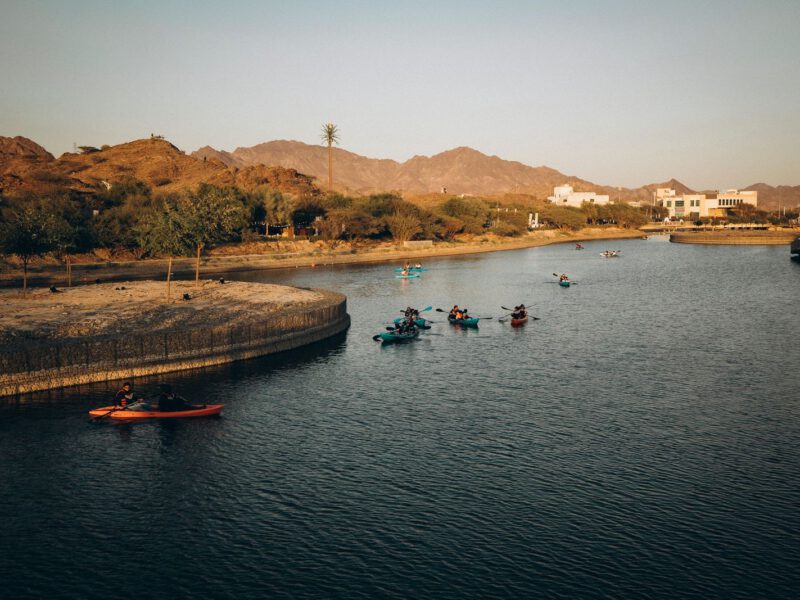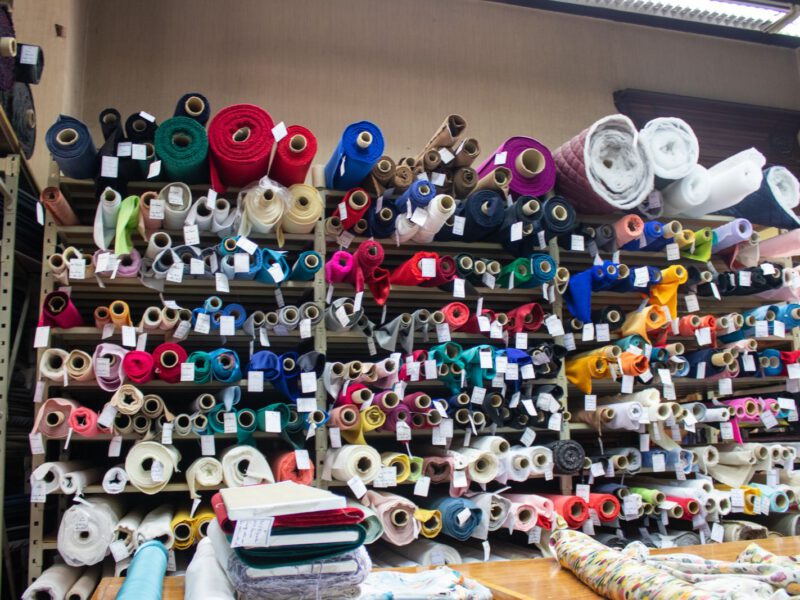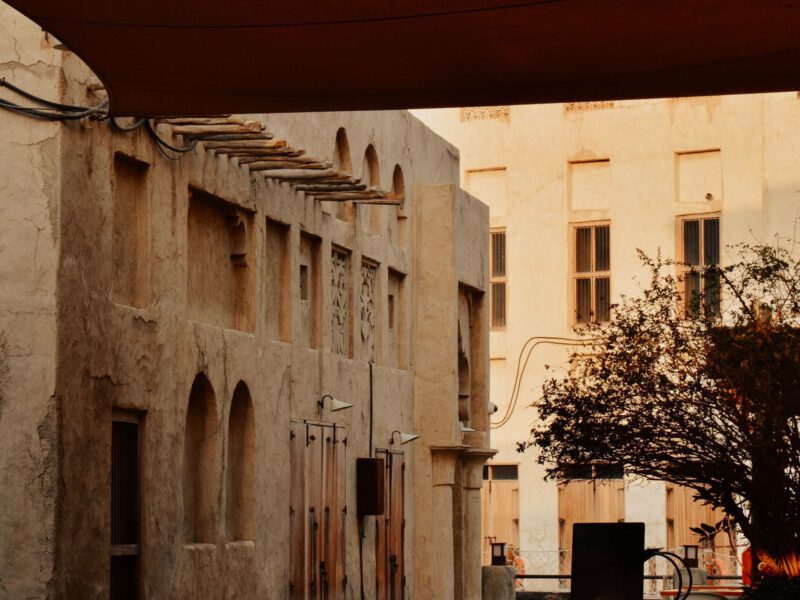
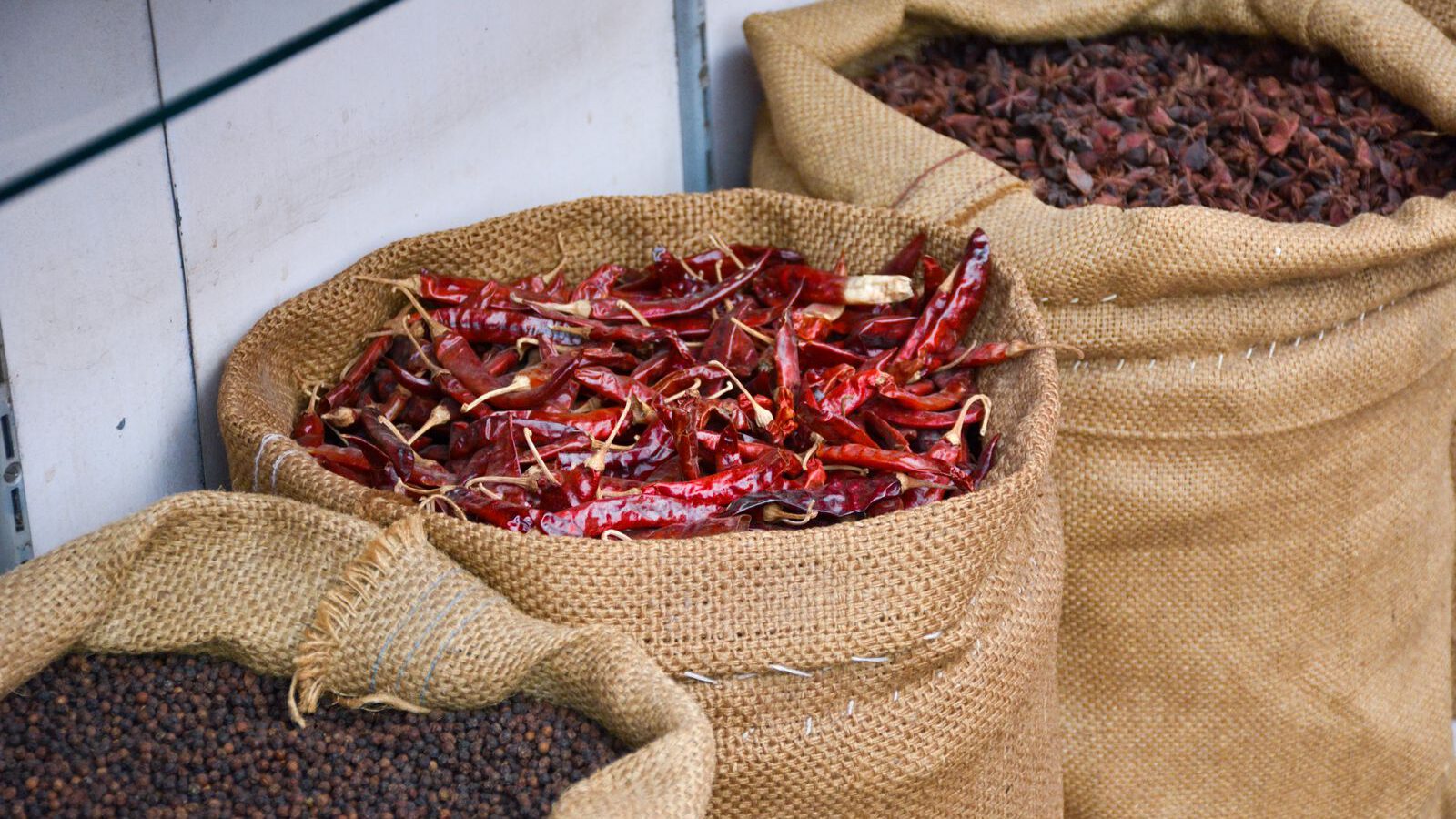
Step off a wooden abra on the Deira side of Dubai Creek and the city’s glass-and-steel image falls away within a few paces. A couple of narrow lanes in, the air turns thick with cardamom, dried rose and the resinous smoke of frankincense, and shopkeepers sit behind open sacks of spice, some of them trading in bulk with restaurants and wholesale buyers as well as with passing visitors. This is the Deira Spice Souk: small, loud, slightly chaotic and still very much a working market.
A working market in Dubai’s oldest trading quarter
The souk is a cluster of shaded lanes in Al Ras, at the mouth-end of the creek, roughly between Baniyas Road on the waterfront and Old Baladiya Road. This was Dubai’s commercial heart long before the skyline went up, and the creek-side trade with Iran, India and East Africa shaped what is on sale. Expect pyramids of za’atar and sumac, chilli, turmeric, black dried limes, hibiscus flowers, rose buds, dried fruit and nuts, shelves of saffron in little tins and lumps of frankincense and myrrh in every grade.
It is compact. The core lanes take half an hour to wander, an hour if you stop to sniff, taste and haggle. Treat it as the aromatic first chapter of an old-Dubai afternoon rather than a destination in its own right.
Arriving the old way: the one-dirham abra
The best approach is across the water. RTA’s traditional abra route links Bur Dubai Abra Station with Deira Old Souq Abra Station, running from about 6am to midnight. The fare is AED 1 per person; carry coins or small notes, as this crossing has long been a cash affair. Boats leave as soon as they fill, every few minutes, and the crossing itself is short and breezy. From the Deira landing the spice lanes are a two-minute walk inland.
That also makes the souk easy to pair with the restored wind-tower lanes of the Al Fahidi Historical Neighbourhood on the Bur Dubai bank. If you prefer the Metro, take the Green Line to Al Ras, which leaves you a few minutes’ walk from the souk. Taxis struggle in the narrow, congested streets, so ask to be dropped on Baniyas Road and walk in.
What to buy, and how to spot the good stuff
- Saffron. Ask to see more than one grade. Good threads are deep red, and a pinch dropped in water releases a slow golden colour while the strands stay red. Dyed fakes or safflower bleed colour quickly. If a big box costs next to nothing, walk on.
- Dried limes (loomi). Black or tan, rock-hard and intensely sour; crack one into a stew or rice. Cheap, light and very Gulf.
- Frankincense and myrrh. Sold by grade, with clearer, paler pieces generally pricier. To burn it at home you will also want charcoal discs and a small burner (mabkhara), which many stalls sell.
- Za’atar, sumac and spice blends. Ask to smell before buying; fresh blends are pungent, stale ones smell of dust.
- Hibiscus and rose buds. For tea, and pretty enough to give as a gift.
Buy small, vacuum-packed amounts if a stall offers sealing. Check your home country’s customs rules before you fly; dried spices for personal use are usually fine, but some countries are strict about plant material and seeds.
Haggling without the hassle
Bargaining is expected, and first prices for visitors are often set high. Settle the price before anything is weighed or bagged, and confirm whether it is per 100 grams or per kilo. Small notes in fives, tens and twenties make the final deal easier. A smile and a polite walk-away usually brings the price down faster than arguing. Vendors may press samples into your hand or steer you inside; a firm “just looking, thank you” is perfectly acceptable.
Around the neighbouring Gold Souk you will also meet touts whispering offers of “copy watches” and bags. Ignore them and keep walking. Ask before photographing shopkeepers up close; most are relaxed about wide shots of the sacks.
Hours, heat and the best time to go
Walking the souk is free. Most shops trade roughly 10am to 10pm, Saturday to Thursday, with some shutters down for a break in the early afternoon, and open only from late afternoon on Friday, roughly 4pm to 10pm. Individual stalls set their own hours and Ramadan timings shift, so treat these as a guide. The cooler months, November to March, are by far the most pleasant. In summer the lanes are only partly sheltered and the heat is punishing, so go after sunset when the lights come on and the creek breeze picks up. Late morning is calmer than the evening rush.
Dress modestly, covering shoulders and knees; Deira is more traditional than the beach districts. The lanes are narrow, crowded and uneven in places, so a pushchair or wheelchair will struggle at busy times. Children usually love the colours and smells, but keep small ones close in the crush.
Turning it into an old-Dubai afternoon
The spice lanes run straight into the Gold Souk, and from there it is a short walk to the Perfume Souk along Sikkat Al Khail Street, where shops will blend oud, musk or attar oils to order. Back on the waterfront you may still see wooden dhows moored along the creek, although much of the old cargo trade has moved to a bigger wharf on the Deira coast. The historic Al Ahmadiya School nearby has been listed by Dubai Culture as under renovation, so check before planning around it.
For a break, the cafeterias around Al Ras serve sweet karak tea and quick snacks for small change. Then take the abra back to Bur Dubai and finish with a cup of Arabic coffee at the Coffee Museum in Al Fahidi. If you want a souk experience, this beats the polished, purpose-built souks attached to Dubai’s resorts and malls: it is real trade, not a set. The Waterfront Market, Deira’s big fish and produce market, is a separate trip: it lies in northern Deira near Al Hamriya Port, about ten minutes away by taxi.