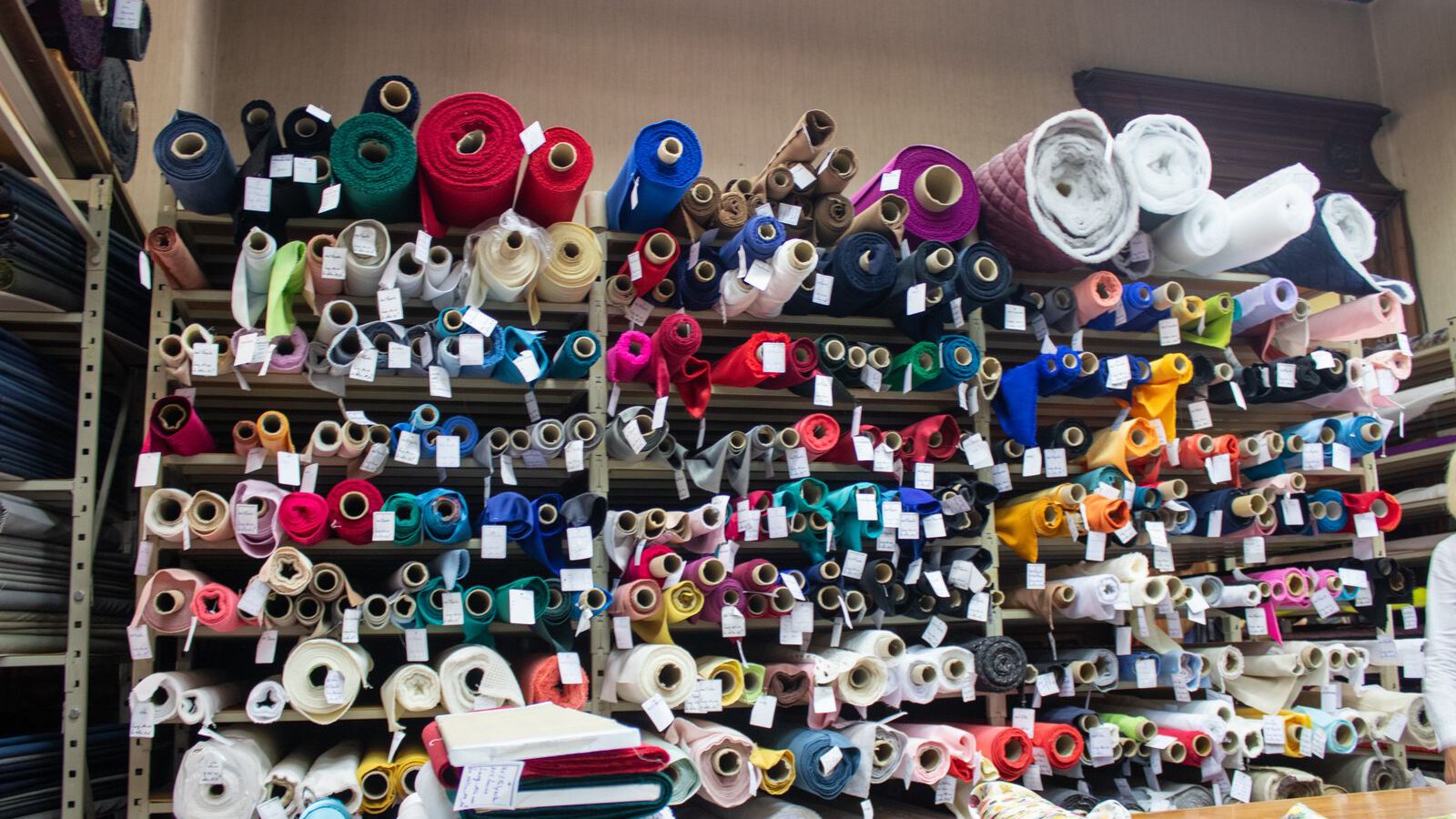
Walk a kilometre or so west from the towers of Sheikh Zayed Road and the skyline drops to two or three storeys. The pavements fill with shoppers, shawarma smoke drifts out of open-fronted cafeterias, and tailors’ shopfronts are stacked with bolts of cloth. This is Al Satwa, one of the few central Dubai neighbourhoods where you can still wander on foot, eat superbly for a handful of dirhams and see how most of the city actually lives.
The low-rise district the skyline skipped
Satwa sits between Sheikh Zayed Road and the villas of Jumeirah, a grid of modest blocks threaded by two main streets: Al Satwa Road and 2nd December Street, the old Al Dhiyafa Road. Its residents are a mix of Emirati, Arab, Pakistani, Indian, Bangladeshi and Filipino families. The Filipino presence is strong enough that some call it “mini-Manila”, and the shop signs switch languages from block to block.
It is also a neighbourhood in transition. Parts of old Satwa were cleared from the late 2000s for a long-planned Jumeirah Garden City scheme, and by 2025 plots here had been reclassified as freehold, opening the way for new mid-rise apartment buildings. The texture is still there for now, but this is not a district to put off until a later trip.
Eating your way round: Ravi, Al Mallah and the rest
The anchor is Ravi Restaurant on Al Satwa Road, near the Satwa Roundabout. Ravi has served Pakistani food here since 1978, and Anthony Bourdain’s 2010 TV visit made it famous well beyond the neighbourhood. Nothing about it has been polished up for that fame: it is still a simple, busy canteen, open from early morning until late at night. Order the Bihari kebab (spiced, grilled beef), a mutton curry or biryani, dal, and hot naan or roti from the tandoor. Ravi has long been cash-only, so bring dirhams.
A short walk away on 2nd December Street, Al Mallah is the classic for Lebanese shawarma, falafel and fresh juice, with pavement tables made for people-watching late into the night. Ask for the “Chips Oman” sandwich, a Gulf comfort-food oddity of crushed crisps, cheese and chilli sauce rolled in flatbread. Between the two you will pass South Asian sweet shops, Filipino bakeries and small grills. A full meal at any of them rarely costs more than AED 50 a head, and often far less.
Getting clothes made on Al Satwa Road
Satwa’s other trade is tailoring. Al Satwa Road and the streets around it are lined with tailors and fabric merchants who copy garments, alter clothes and make up anything from shirts to saris. It is one of the best-value things to do in Dubai, if you go about it right:
- Bring a garment to copy. A shirt or dress that already fits you is the easiest brief; a photo alone leaves too much to chance.
- Choose fabric first. Buy it from one of the cloth shops nearby or bring your own, and ask the tailor how much they need before you buy.
- Agree everything up front. Price, deposit, collection date and a fitting, written on your receipt.
- Drop it off early in your trip. Turnaround is usually a few days, and you want time for a second fitting.
Prices vary a lot by tailor and fabric, so get two quotes before committing. Many smaller workshops prefer cash.
A walk from Satwa Roundabout to Union House
The best way to see Satwa is a slow evening stroll along 2nd December Street, from the Satwa Roundabout north-west towards the sea, about 20 minutes without stops. In 2016 the Dubai Street Museum project covered building walls along this street with 16 large murals on UAE heritage, from pearl diving to falconry. Look up as you walk; buildings change, so not every mural may survive.
The street ends at Union House on Jumeirah Road, where the UAE was founded on 2 December 1971, the date that gives the street its name. The Etihad Museum beside it tells that story well. It generally opens from 10am to 8pm with last entry at 7pm, and tickets are about AED 25 for adults, less for students. Check its website for current prices.
Detour to Al Wasl Road on the Jumeirah side of the district to see the Iranian Mosque (Imam Hussein Mosque), founded in 1979, its facade and dome covered in Persian blue tilework, matching the Iranian Hospital across the road. It is a working Shia mosque, so admire it from the street. Plant lovers can also seek out the cluster of florists and nurseries around Al Hudaiba Road that locals call Plant Street.
Getting there, timing and etiquette
There is no Metro stop inside Satwa. The nearest Red Line stations are Max (formerly Al Jafiliya) and World Trade Centre, each roughly 20 minutes’ walk from the Satwa Roundabout. A taxi or ride-hail to “Ravi, Satwa” or the roundabout is the simplest final leg, and the Al Satwa bus station on Al Satwa Road links the district to the rest of the city. Once there, walk; parking is tight and the streets are best at pedestrian pace.
Satwa is free to explore. Come in the cooler months, November to March, and in the evening, when the grills are going and the pavements are busy. In summer, wait until after dark. Many shops pause around Friday midday prayers, and hours shift during Ramadan, when the streets come alive after iftar. Dress modestly, and ask before photographing people, especially women. Pavements can be uneven and kerbs high, so pushchairs need patience.
If you liked the trading bustle here, the creekside lanes of the Deira Spice Souk feel like its older cousin. For a complete contrast, the warehouse galleries of Alserkal Avenue in Al Quoz are a short taxi ride south. Satwa is the antidote to Dubai’s curated “heritage” zones and mall food courts: unpolished, inexpensive, and real.