What is it, exactly?
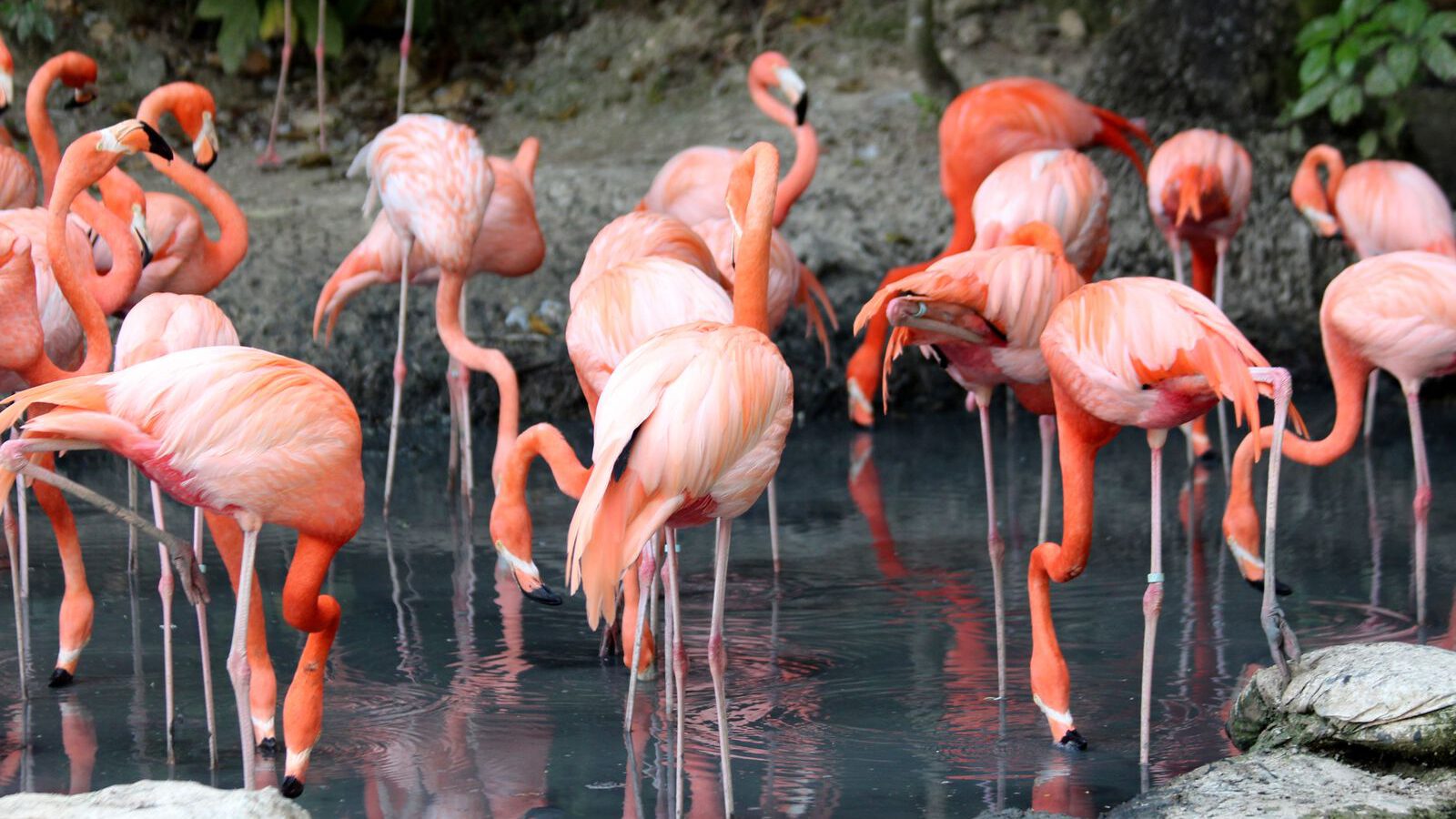
Ras Al Khor — “Cape of the Creek” — is a protected wetland right where Dubai Creek runs out into a maze of mudflats, mangroves and salt lagoons. It sits hemmed in by roads and, in the distance, towers, which is precisely what makes it surreal: a genuine wildlife reserve, wedged into one of the most built-up cities on earth. It’s best known for flamingos — sometimes a couple of thousand of them, pink against grey mud and a hazy skyline — but more than 450 bird species have been logged here over the years, plus crabs, small mammals and fish. You watch from three free bird hides along the edge, each fitted with mounted scopes and information boards.
Is it worth visiting?
For birders, photographers, or anyone who likes a city to surprise them, it’s a quiet joy. There’s something wonderfully absurd about wild flamingos feeding a few kilometres from the world’s tallest building, and doing it for free while a caged mall aquarium charges a fortune next door. Come with the right expectations, though: this is a reserve, not a zoo. The birds often feed a fair distance out, so it can be a hazy, mid-range view rather than a close-up — and that’s the whole honest point. Bring optics and patience and it delivers; expect them to pose at the railing and you’ll be disappointed.
Flamingos are the draw, but they’re not the whole show. This is an internationally recognised wetland, and depending on the season you can pick out grey and Western reef herons, little and great egrets, black-winged stilts, various sandpipers and plovers picking over the mud, cormorants, and — if you’re lucky — ospreys overhead. Autumn and spring migration bring the widest variety. Even non-birders tend to get quietly absorbed once they’ve got a scope on something.
Which hide, and how do you get there?
There are three hides — the Flamingo Hide off Ras Al Khor Road is the headline one for the pink birds; the Mangrove Hide and Lagoon Hide sit on other edges and skew toward waders and raptors. Crucially, they aren’t connected to each other on foot, so you can’t stroll between them. There’s no Metro stop, so take a taxi or ride-hail and — if you want more than one hide — either keep the car waiting or rebook between stops. It’s a short drive from the creek-side districts and Downtown.
When to go, and what it costs
Entry and all three hides are free. Individual visitors and small groups (fewer than five) don’t need a permit; larger groups, tours and institutions do — apply through Dubai Municipality (dm.gov.ae), allowing a couple of working days. Flamingo numbers peak in the cooler months, roughly November to March; in high summer many disperse. Hides commonly open around 7:30am–5:30pm in winter (longer in summer, and some sources list a tighter 9am–4pm), so confirm current times before a special trip. Go early morning: cooler air, softer light, more active birds and an empty hide.
The insider move
Bring your own binoculars or a long zoom lens — the fixed scopes get busy and the birds keep their distance. For photographers, arrive early and position so the morning sun is behind you, lighting the birds rather than fighting a bright haze; a 300mm-plus lens is realistically the minimum for frame-filling flamingo shots. There’s no cafe, shop or shade to speak of beyond the hide itself, so carry water and don’t plan to linger for hours in the heat. And calibrate the season: this is a winter spectacle first and foremost. Turn up in July expecting a wall of pink and you’ll get a shimmer of heat haze and a handful of stragglers instead. If you want to build a wider half-day around it, the Dubai Frame in Zabeel Park and the creek-side old town are both a short drive away.