What is it, exactly?
Alserkal Avenue is what happens when a family that owned a marble-cutting and warehouse compound in Dubai’s industrial belt decides to hand it over to art instead of knocking it down. Tucked into Al Quoz Industrial Area 1 — a grid of low concrete sheds, spray shops and cargo yards — it’s a cluster of around two dozen units holding independent contemporary galleries, artist studios, design stores, a couple of serious coffee roasters, a plant-filled cafe or two, and Cinema Akil, the region’s first arthouse cinema. There’s no skyline in sight, no ticket gate, and no polish. That’s exactly the appeal.
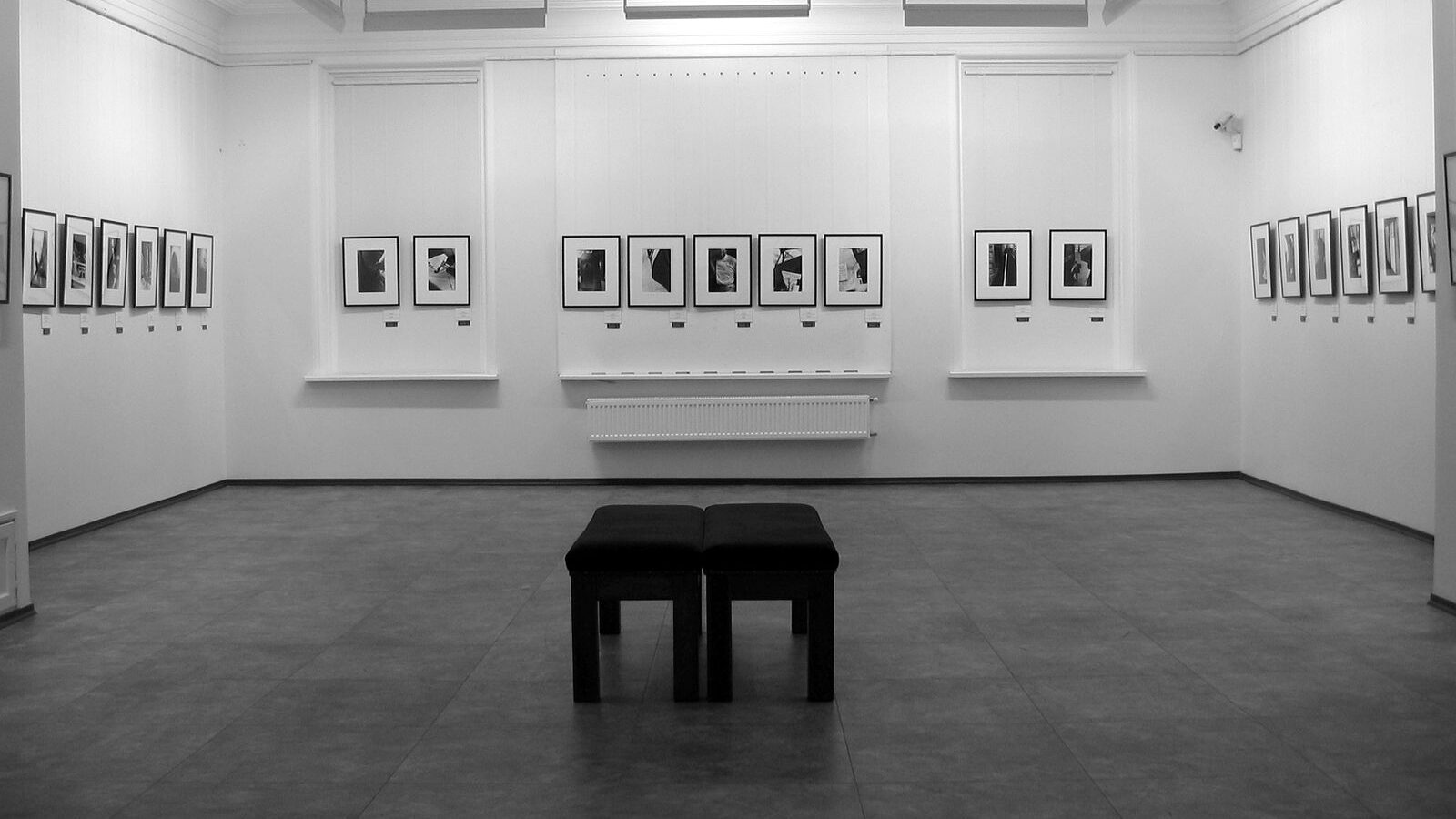
Anchoring it is Concrete, an exhibition hall the Dutch architecture firm OMA carved out of four old warehouses — the space hosts the bigger shows and fairs. Around it, galleries like Lawrie Shabibi, Green Art Gallery, The Third Line, Leila Heller and Ayyam rotate exhibitions of Middle Eastern and international artists you simply won’t see in a hotel lobby or a mall atrium. What you’ll actually do is drift: push open an unmarked steel door, find a room of large-scale photography or installation, browse a design-and-books unit, then follow your nose to the next. It rewards curiosity over a fixed itinerary.
Is it worth going out of your way for?
If you have any pulse for art, design or good coffee: yes, and it’s the most credible cultural half-day in Dubai. Gallery entry is almost always free, the work is genuinely current, and the whole compound rewards slow wandering. Think of it as Dubai’s gallery quarter — the direct answer to “is there anything here that isn’t a mall or a viewpoint?”
An honest caveat: this is a working art district, not a theme park. Between exhibitions, some units are dark or mid-install, and on a quiet weekday morning it can feel half-asleep. That’s normal. Time your visit right (below) and it comes alive; turn up cold on a Sunday and you might find a third of the doors shut.
How do you get there?
The Metro doesn’t reach Al Quoz directly. The nearest Red Line stations are Equiti (formerly Noor Bank) and Onpassive (formerly Al Safa), each a short five-to-ten-minute taxi from the gate — Equiti sits roughly 2.5 km away. Honestly, the path of least resistance is to ride-hail (Careem or Uber) straight to “Alserkal Avenue” from wherever you are; it’s cheap and drops you at the door. One thing to plan for: there’s nothing walkable nearby, so line up your taxi out before you’re standing on a hot industrial road refreshing the app.
When to go, and what it costs
Wandering and the galleries are free; only Cinema Akil screenings and some ticketed events cost. Galleries generally run late morning to evening (roughly 10am–7pm), but hours vary by space and many close on Sundays or between shows — so check the Alserkal website or Instagram before you set off. Because most of it is indoors and air-conditioned, it’s a rare Dubai gem that works even in summer. Weekend late afternoons and evenings are the liveliest, when the cafes fill and openings happen.
The insider move
Aim your visit at a gallery-opening night or the annual Quoz Arts Fest (usually in the cooler months), when studios fling their doors open, artists are actually around, and the lanes fill with live music, food trucks and pop-ups — it’s a completely different, buzzing place. Any other day, build your loop around coffee: the specialty roasters here (Nightjar is the name people drop) treat a flat white as seriously as the galleries treat a canvas. Grab one, then let it carry you from warehouse to warehouse. Time a Cinema Akil screening into the end of your visit — a restored classic or a Middle Eastern indie in a proper arthouse — and you’ve turned a gallery wander into a genuinely different Dubai evening. Since nothing worth crossing town for sits within walking distance, treat Alserkal as a destination in itself rather than a quick stop, and eat here too: there are solid casual restaurants on site.