Walk through the leafy courtyards of the old General Hospital in Vienna’s 9th district, past students with coffee and a beer garden or two, and you reach a building that looks nothing like its neighbours: a squat, round drum five storeys high, its walls lined with rows of small windows. This is the Narrenturm, the “Fools’ Tower”, built as one of the first institutions in Europe designed purely for people with mental illness. Today it holds a medical collection that is sober, educational and, for many visitors, the most memorable museum hour they spend in Vienna.
Joseph II’s round tower for the mentally ill
Emperor Joseph II had the tower built next to his new General Hospital, and it opened on 19 April 1784. Each of its floors was ringed with small cells, about 28 per storey according to the Natural History Museum, which now runs it. The Viennese nicknamed it the Gugelhupf, after the ring-shaped cake. By modern standards it was grim, but at the time a dedicated building for the mentally ill was a new idea. Patients lived here until 1869. A century later, in 1971, the university’s pathological-anatomical collection, begun in 1796, moved in. The Natural History Museum took over in 2012 and reopened the building in 2020 after a long renovation.
What is actually on display
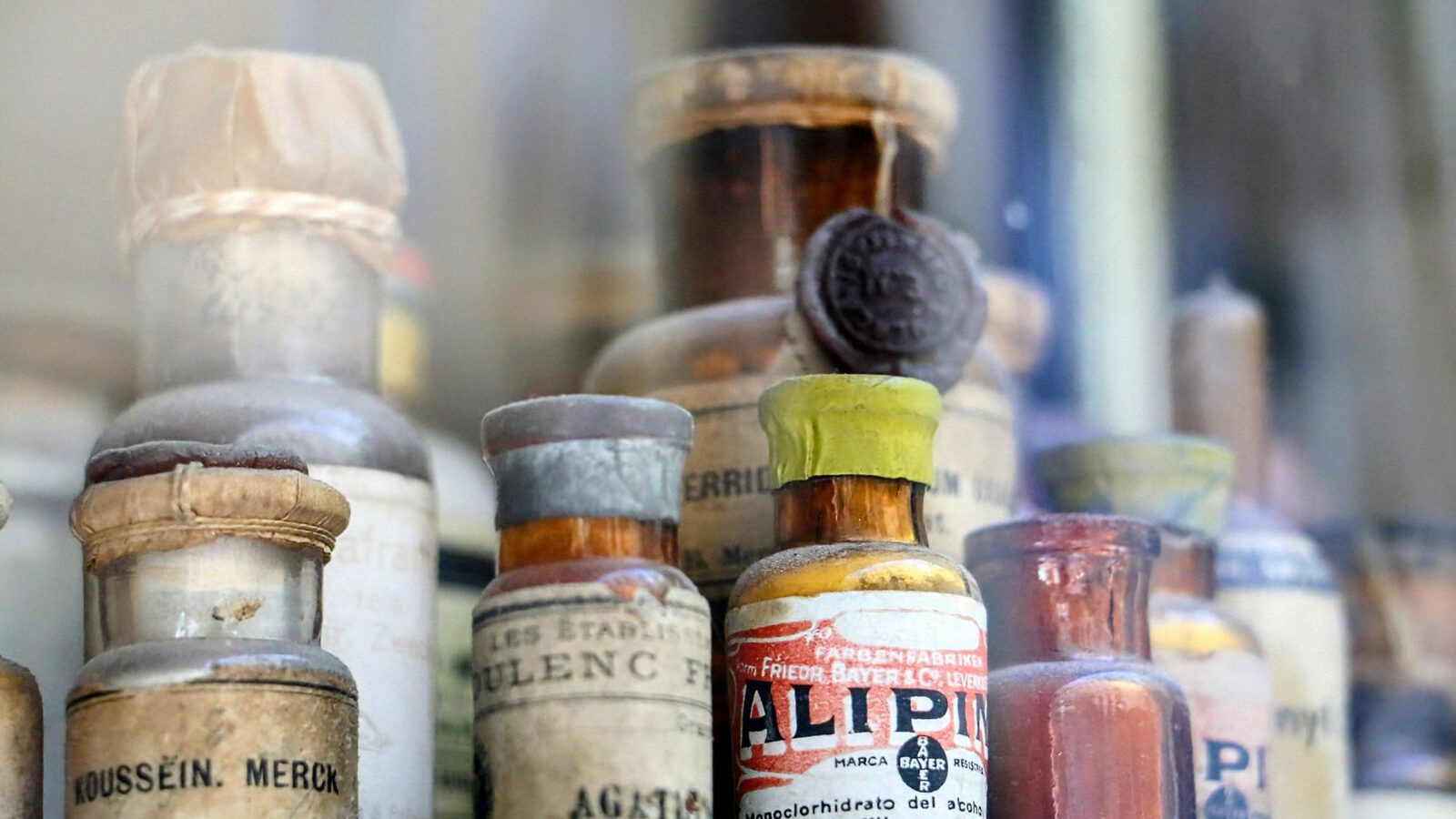
The permanent exhibition fills 19 rooms on the ground floor and walks you through pathology systematically: its history, general pathology, then diseases organ by organ. Expect wet specimens in jars, skeletons showing deformities, historical medical instruments and, most striking of all, wax moulages: hyper-realistic models of skin diseases made for teaching before colour photography. Some stations use augmented reality to add context. The wider collection is huge, with tens of thousands of objects, and is often described as the largest of its kind in the world. Much of what is not on display forms a study collection that you can only see on a guided tour.
Who should go, and who should skip it
This is real human pathology: tumours, tuberculosis, syphilis, malformations. It is presented carefully and without sensationalism, but it is confronting. The museum itself recommends it for visitors aged 14 and over. If you are squeamish or travelling with younger children, skip it without guilt. If you are curious about medicine, history or how cities have treated the sick and the “different”, it is one of the most unusual places in Vienna, and a world away from the palace-and-cake circuit. The building does as much work as the specimens: looking down the curved corridor at the row of cell doors says more about the history of psychiatry than any label.
Finding the tower on the university campus
The address is Spitalgasse 2, 1090 Wien, and on the campus itself the tower stands in Hof 6, towards the northern end of the old hospital complex. The courtyards are public, so you can enter from Spitalgasse or Alser Straße and follow the signs.
- Tram: lines 43 and 44 along Alser Straße, or 5 and 33 along Spitalgasse, stop at the edge of the campus, a 5–10 minute walk away.
- U-Bahn: U6 to Michelbeuern-AKH (about 10 minutes on foot) or Alser Straße (closer to 15).
- Accessibility: the entrance is step-free, the exhibition is all on one level, there are accessible toilets and service dogs are allowed.
Days, tickets and the tour worth timing your visit around
- Open Wednesday to Saturday, 10:00–17:00. Closed Sunday to Tuesday, and on 25 December and 1 January; other holidays are usually normal opening days.
- Admission: €8, reduced €6. Under-19s and Kulturpass holders go free, and a combined ticket with the main Natural History Museum on the Ringstraße costs €22.
- Study collection tour: 45 minutes, Wednesday to Friday at 13:00 and Saturday at 14:00, for €6 on top of the ticket. It is the only way to see the study collection. Tours are run in German as standard, so ask about other languages in advance.
- Themed tours on topics such as the art of the moulage, the building’s history or pregnancy and birth can be booked by appointment.
Photography and filming are not allowed in the exhibition, so put the phone away and take the building in properly instead. Allow about an hour for the ground floor, or 90 minutes with the tour. Weekday mornings are the quietest. The old masonry stays cool, so bring a light layer even in summer.
A morning of medical Vienna
Five minutes’ walk east, at Währinger Straße 25, the Josephinum completes the story. Joseph II founded it as a military surgical academy, and it now displays around 1,200 anatomical wax models from the late 18th century, still in their original rosewood and glass cases. They are more beautiful and less raw than the Narrenturm’s specimens. It is open Wednesday to Sunday from 10:00 to 18:00 (Thursday until 20:00), with tickets at €15. Trams along Währinger Straße stop close by.
For lunch, the campus’s main courtyard, Hof 1, has several restaurants and a big beer garden, including the former Stiegl-Ambulanz, now renamed Freiherz. If you are building a darker, stranger Vienna itinerary, ride the U6 three stops north from Michelbeuern-AKH to see the Hundertwasser-clad Spittelau waste incinerator, or save a half-day for the vast Zentralfriedhof, where Vienna’s famous fascination with death is on full display.