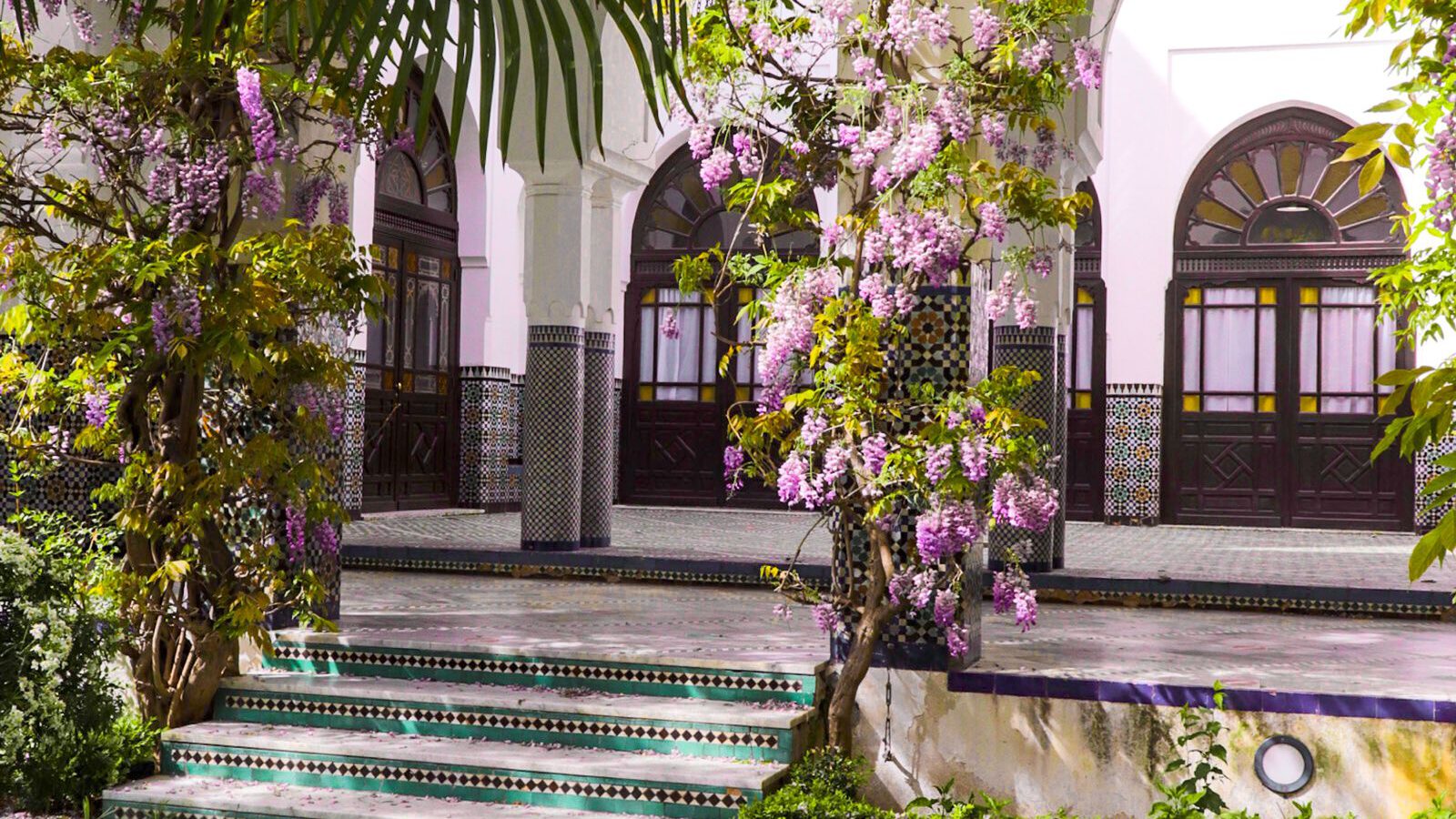
Most people pass the Grande Mosquée de Paris on their way to the Jardin des Plantes and only register the green-and-white minaret above the wall. Step through the gate and the 5th arrondissement drops away: carved cedar, horseshoe arches, tiled fountains and a garden laid out like a courtyard in Fez. It is a working mosque, a tea garden, a restaurant and a hammam in one complex, and in 2026 it turns 100. You can see the best of it in an afternoon for under €10.
Why there is a North African mosque behind the Jardin des Plantes
The mosque was France’s tribute to the Muslim soldiers who died fighting for it in the First World War. A law of 1920 funded the project, the first stone went down in 1922 and the building was inaugurated in July 1926. Architect Maurice Tranchant de Lunel borrowed from the great mosques of North Africa: the arcaded courtyard owes a lot to the Qarawiyyin in Fez, and the square, 33-metre minaret takes its cue from the Zaytuna in Tunis. Craftsmen from North Africa carved the plaster, set the zellige tilework and shaped the woodwork, which is why it feels so far from a pastiche. It has been a listed historic monument since 1983.
There is a quieter chapter too. During the Occupation, the mosque is credited with helping people persecuted by the Nazis, Jewish families among them, with shelter and papers. Historians still debate how many were helped, so treat any precise figure you hear on a tour with some care.
What the €5 courtyard visit actually covers
The visitors’ entrance is on Place du Puits-de-l’Ermite. Tickets cost €5, or €3 for children, students and groups of ten or more, and the visit runs every day from 9:00 to 18:00 except Fridays and Muslim holidays. Friday is the main day of prayer, so plan around it. You can wander on your own or come with a guide; the mosque’s visits office (01 45 35 78 24) handles group bookings.
The route takes you through the main patio, with its arcades and fountain, and into the garden, where paths run between trees, flowerbeds and tiled basins. You can look towards the prayer hall, but it is reserved for worship and is not part of the visitor circuit. Allow 45 minutes to an hour if you like details: the painted ceilings, the carved doors, the way the tile patterns change from one gallery to the next.
- Clothing: dress as you would for any place of worship, with shoulders and knees covered. Shorts and strappy tops are a bad idea; a light scarf in your bag is useful.
- Photos: the courtyards and garden are very photogenic, but keep the camera down around anyone praying.
- Access: if you use a wheelchair, call the visits office ahead to ask which parts of the route are step-free.
The tea garden keeps its own hours, and needs no ticket
The salon de thé is the part most Parisians know, and it has its own entrance at 39 rue Geoffroy-Saint-Hilaire, on the corner with rue Daubenton. You do not need a mosque ticket to sit there, and it is open every day of the year, roughly 9:00 until midnight, without reservations. That also makes it your Friday option when the courtyard visit is closed.
Take a table on the shaded terrace or in the mosaic patio behind it, pick a pastry or two inside (baklava, cornes de gazelle, makrout), and waiters come round with trays of sweet mint tea. A glass costs a few euros, around €3, and nobody will rush you off one. Skip the overpriced tourist cafés around Notre-Dame and Saint-Michel: this is a far better place to sit down in the Latin Quarter, and a fraction of the price. Sunny weekend afternoons get busy; a weekday late morning or an early evening is calmer.
Next door, the restaurant serves couscous, tagines, grills and pastilla from lunchtime into the evening and takes reservations through la-mosquee.com, which is worth doing for a weekend dinner.
The hammam: now for women only, every day
Plenty of guides still describe separate men’s and women’s days. That is out of date: the hammam’s own website now lists it as exclusively for women, open daily from 10:00 to 21:00 without a break, from age 12, and it takes no bookings. Simple entry is €30, including a towel and a mint tea. Packages that add steam rituals, a black-soap scrub and massage run from €50 up to €140, and a scrub on its own is around €20.
Bring a swimsuit and flip-flops, and leave at least two hours so you are not rushing the best part, which is lying still under the dome afterwards. Because there is no booking system, arriving earlier in the day gives you the best chance of a calm session. Men looking for a hammam will need to go elsewhere in the city.
Getting there and choosing your moment
Metro line 7 is the one you want: Place Monge and Censier-Daubenton are each about five minutes on foot, and Jussieu (lines 7 and 10) is a little further. Coming from Gare d’Austerlitz, the nicest approach is the 15-minute walk through the Jardin des Plantes, which brings you out on rue Geoffroy-Saint-Hilaire, just across from the mosque.
The ideal day is anything from Saturday to Thursday. Do the courtyard visit in the morning when it is quietest, or come mid-afternoon, tour before the 18:00 close and finish in the tea garden as the light softens through the trees. In summer, the shaded patio is one of the coolest places to sit in this part of town.
Turning it into a slow afternoon in the 5th
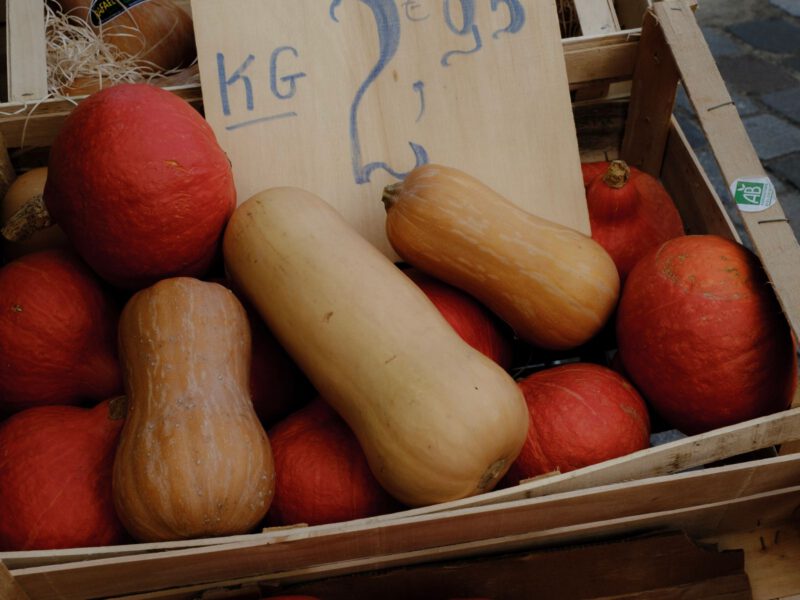
The Jardin des Plantes is across the street and its gardens are free; the big glasshouses and the small zoo charge separately. A few minutes north, the Arènes de Lutèce, a Roman arena now used for boules and kickabouts, is free too. If you come on a Wednesday, Friday or Sunday morning, the open-air market on Place Monge (from 7:00 until early afternoon) is the place to pick up cheese, fruit and bread, and rue Mouffetard’s food shops are a short walk west.
Line 7 also runs straight to Place d’Italie in a few stops, so it is easy to carry on to the cobbled lanes of La Butte-aux-Cailles for street art and an early-evening drink. And if markets are your thing, save another morning for the Marché d'Aligre and its barrel-lined wine bar across the river in the 12th.