What is it, exactly?
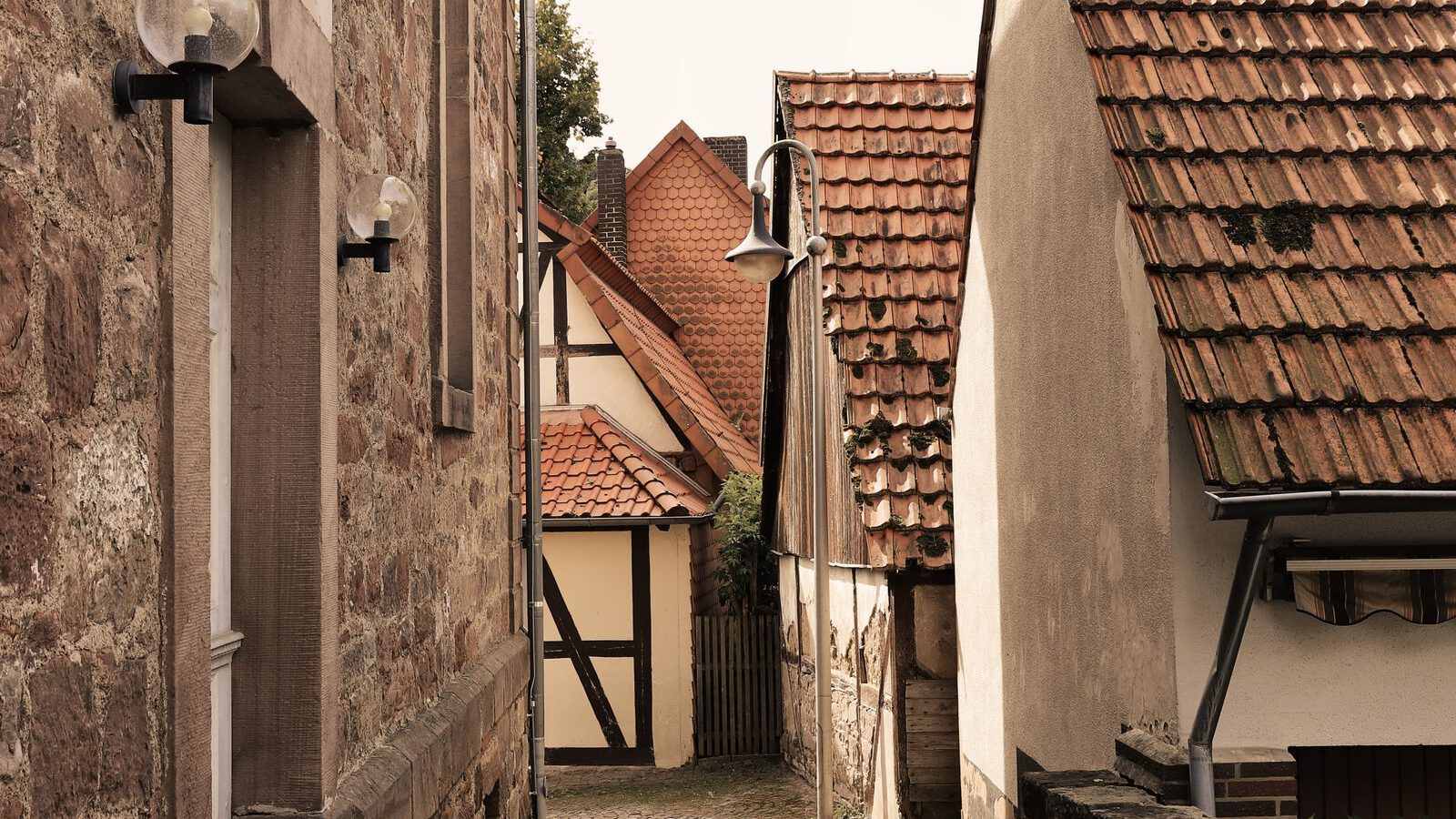
Tucked into the north of gritty, buzzing Neukölln is the Böhmisches Dorf — the Bohemian Village — a cluster of low cobblestone lanes and cottages around Richardplatz that has survived, almost intact, since the 1730s. It was founded in 1737 when Protestant refugees from Bohemia were resettled here by the Prussian king, and their descendants and traditions left a mark you can still trace. Highlights ringing the square include the medieval-rooted Bethlehemskirche village church, the historic Rixdorfer Schmiede (a working blacksmith’s forge on the square), a small museum of the Bohemian settlement, and the tranquil Comenius Garden. It feels less like a Berlin district and more like a country village that the city grew around.
Is it worth visiting?
Yes, precisely because it is such a jolt of contrast. Step off a loud Neukölln street and within a minute you are on cobbles between 18th-century cottages with front gardens and old lamp-posts. It is a rewarding, low-key alternative to the tourist-clogged Nikolaiviertel if you want a genuinely old-Berlin atmosphere without the reconstruction and the crowds. There is no entry fee and no single big sight to queue for — the pleasure is the wander itself, ideally combined with a coffee and Neukölln’s excellent food nearby.
How do you get there?
Take the U7 to Karl-Marx-Straße, then walk about 8–10 minutes via Herrnhuter Straße toward Richardstraße and on to Richardplatz, the heart of the village. Trams and buses also serve the Neukölln area if you are coming from the east. The lanes are small and easy to explore on foot in under an hour.
When to go, and what it costs
Wandering the streets and the square is free and possible any time. Daytime is best for seeing the church, the forge and the gardens, and for photos of the cobbled lanes without much traffic. Individual sights like the little museum keep limited hours, so check ahead if you want to go inside. The village is at its most charming (and busiest) during the annual old-Rixdorf Christmas market in December, when the square fills with stalls.
Insider tip
Duck into the Comenius Garden just off the square — it is a quiet, philosophically themed garden that most passers-by miss entirely, and it is the calmest spot in the whole neighbourhood. Then reward yourself in the surrounding streets, which hold some of Neukölln’s best cafés and bakeries.