A refugee village that the city grew around
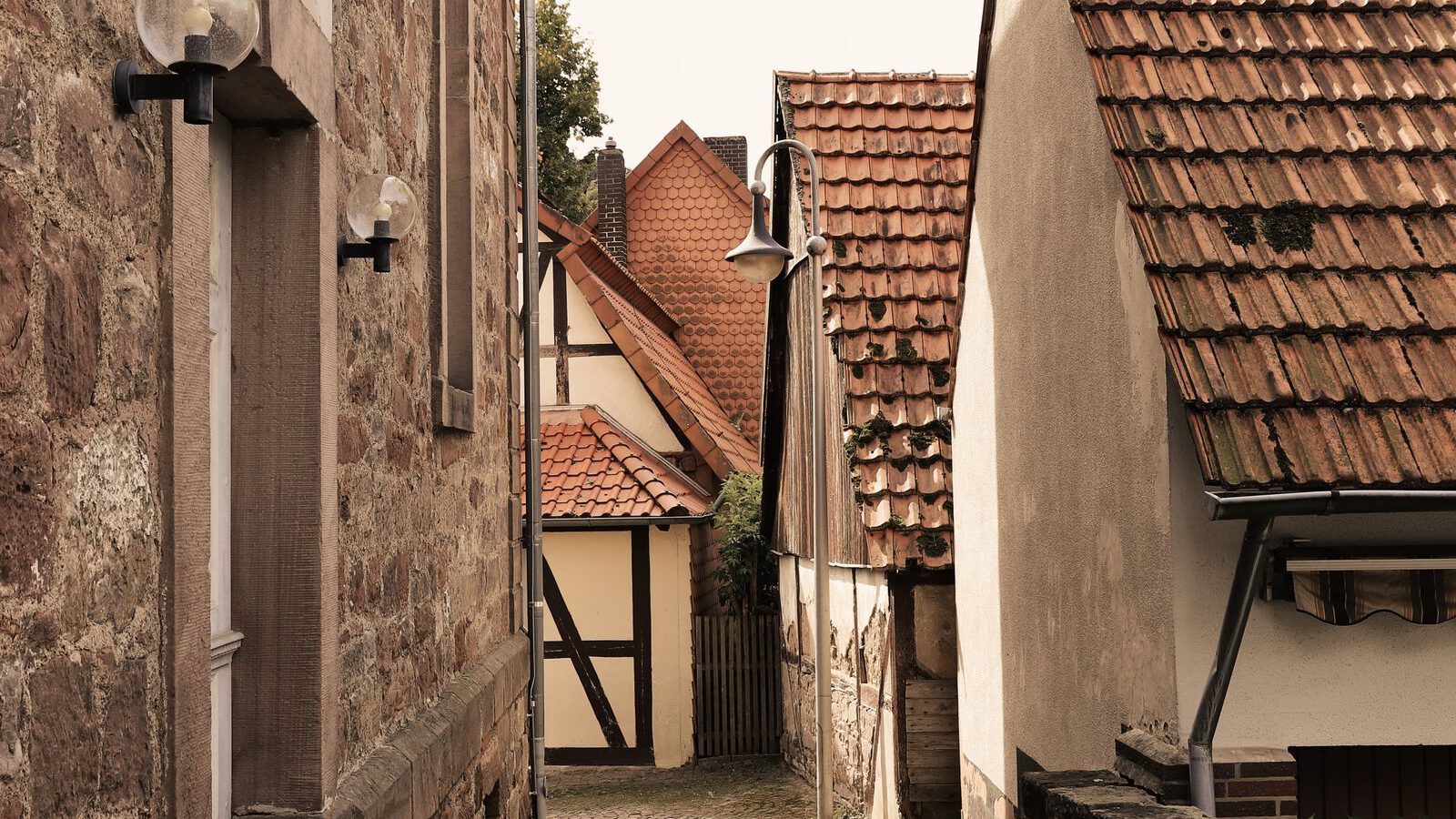
In the north of loud, buzzing Neukölln, a knot of cobbled lanes around Richardplatz has quietly kept its 18th-century shape. This is the Böhmisches Dorf — the Bohemian Village — settled in 1737 when the Prussian king took in a group of Protestant refugees driven out of Bohemia for their faith. Their descendants and their Moravian traditions left a mark you can still trace on the square today. Rixdorf later ballooned into industrial Neukölln around it, but the old village core survived, so stepping in feels less like a Berlin district and more like a country hamlet the metropolis simply flowed past.
What to see around the square
There’s no single blockbuster sight — the pleasure is the wander — but these anchor it:
- The village church on Richardplatz, a modest old parish church whose roots on this spot go back centuries (the present building followed a 17th-century fire).
- The Rixdorfer Schmiede, a smithy first recorded here in 1624 and still turning out forged ironwork — on a quiet day you can hear the hammer ring across the cobbles.
- A small museum of the Bohemian settlement, telling the refugee story (limited hours — check before making a special trip).
- The Comenius-Garten, a calm 1.2-hectare garden off the square, laid out around the ideas of the Moravian scholar and educator Comenius.
The living thread here is the Moravian (Herrnhut) community, whose Bohemian Protestant descendants still worship in the neighbourhood — this is one of the few places in Berlin where that history is continuous rather than reconstructed. Look for the old Bohemian burial grounds tucked nearby, where the flat, uniform gravestones reflect the Moravians’ belief that all are equal in death. It’s these small, easy-to-miss details — a plaque, a churchyard, a date carved over a door — that reward a slow, unhurried loop rather than a quick photo of the square.
Worth it — or just go to the Nikolaiviertel?
Come here instead. The Nikolaiviertel near the centre sells the same “old Berlin” idea, but much of it is a 1980s reconstruction and it’s thick with tour groups. Rixdorf is the real, un-restored thing, free, and almost never crowded — a genuine jolt of contrast where you step off a thundering Neukölln street and, within a minute, you’re on cobbles between low cottages with front gardens and old lamp-posts. The whole loop takes under an hour on foot, which makes it the perfect low-key opener before you dive into Neukölln’s cafés and bakeries.
Getting there
Take the U7 to Karl-Marx-Straße, then walk about 8–10 minutes via Herrnhuter Straße toward Richardstraße, which leads you onto Richardplatz at the heart of the village. Trams and buses also thread the wider Neukölln area if you’re arriving from the east. It’s a small, walkable pocket — no need to plan a route once you’re on the cobbles; just let the lanes lead you.
When to go, and what it costs
Wandering the lanes and the square is free and possible any time. Daytime is best for actually seeing the church, the forge and the gardens, and for photographing the cobbles without traffic. Individual sights like the little museum keep short, irregular hours, so don’t count on them without checking. The village is at its most magical — and its busiest — during the traditional old-Rixdorf Christmas market over a December weekend, when the square fills with candlelit stalls and it feels like a different century.
Insider moves
Slip into the Comenius-Garten — most passers-by never realise it’s there, and it’s the calmest corner in the whole neighbourhood, all quiet paths and philosophy carved into the layout. Then do what locals do and reward the wander in the surrounding streets: this pocket of Neukölln hides some of the district’s best bakeries and coffee, so time your visit for late morning and let it drift into an early lunch.
Pair it with
A ten-minute walk south brings you to Körnerpark, a sunken, palace-style formal garden with a fountain, orangery and café that feels wildly out of place in gritty Neukölln — a lovely, little-known follow-on to the village. From there the length of Karl-Marx-Straße and the bar-lined Weserstraße put you back in the loud, contemporary Neukölln that makes Rixdorf’s quiet 18th-century pocket feel so surreal in the first place.