What is it, exactly?
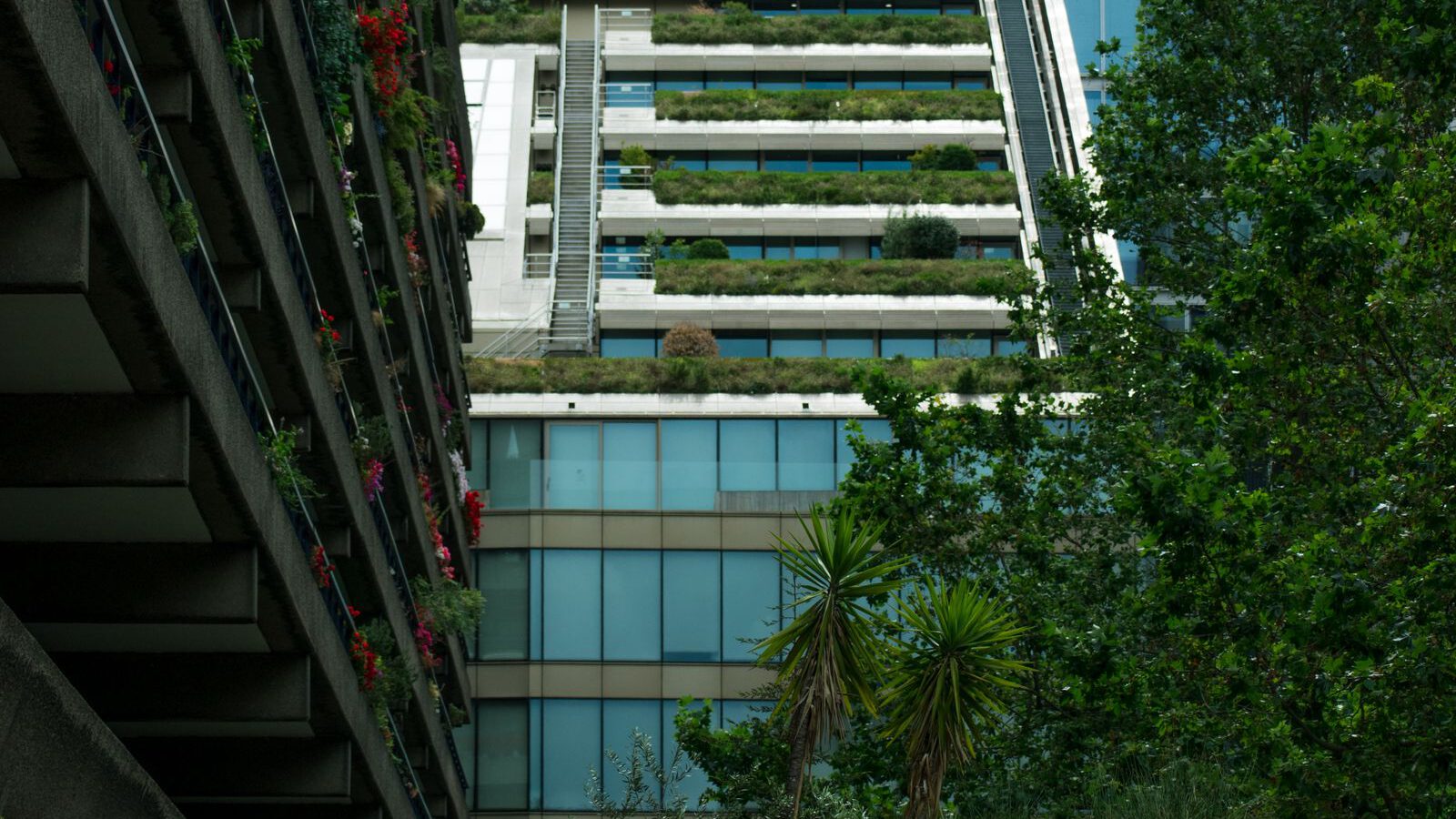
When the Barbican Centre was built in the early 1980s, its architects needed to hide the theatre’s fly tower — and the solution was to bury it in greenery. The result is a huge glasshouse suspended above the concrete: more than 1,500 species of tropical and subtropical plants spilling over brutalist walkways, with ponds of koi and terrapins and a separate arid house full of cacti. It’s one of London’s strangest and most photogenic spaces, and most people walking past the Barbican have no idea it’s up there.
Is it worth visiting — and why not just go to Kew?
Kew Gardens is magnificent — but it’s a half-day trip out to west London and around £22 to get in. The Barbican Conservatory gives you a big, lush glasshouse hit for free, right in the City, in under an hour. It’s smaller and rougher round the edges, but the jungle-meets-concrete setting is unlike anywhere else, and it pairs perfectly with a coffee in the Barbican’s raw concrete foyers or a wander along the estate’s elevated walkways.
How do you get there?
The Barbican Centre, Silk Street, EC2Y 8DS; the Conservatory is on Level 3 — follow the signs inside. The nearest stations are Barbican (Circle, Hammersmith & City and Metropolitan lines) and Moorgate, both a short walk. The estate is a famous maze, so follow the yellow line painted on the ground, or just ask.
When to go, and what it costs
Entry is free — but here’s the catch: the Conservatory only opens on selected days (often some weekends), with timed-entry tickets. Tickets are released online about a month ahead, plus a limited number from 9:30am on each open day. Always check the Barbican’s website and book before you build a trip around it — opening days are limited and can pause for building works.
Insider tip
Book the earliest slot you can — it’s quieter and the light through the glass is best in the morning. Leave time afterwards to explore the Barbican estate itself: the lakeside terrace, the arts-centre foyers and the elevated “highwalks” are half the experience. And go while you can — the Barbican is heading into a major renovation, so access may change in the coming years.