
Refshaleøen was building ships until the 1990s. Today the old Burmeister & Wain shipyard on Copenhagen’s harbour is the city’s scruffy-cool backyard, and its beating heart is Reffen — Northern Europe’s biggest street-food market, run out of a village of repurposed shipping containers along the water.
A shipyard turned street-food city
Reffen is the spiritual successor to the much-missed Papirøen (Paper Island) street-food hall, and it has grown into something bigger: roughly 35 independent food stalls, around 10 bars, creative workshops and an on-site brewery, all built around a “reduce, reuse, recycle” ethos and a hard lean toward organic, low-waste cooking. The kitchens span the globe — Danish smørrebrød and smash burgers next to Korean, Caribbean, Thai, Ethiopian and a solid run of vegetarian and vegan options — and you eat it all on the quayside with the city skyline glittering across the water.
How to actually eat here (a strategy)
Rookies commit to the first stall they see and regret it. Do a full lap first — the whole point of a container market is grazing, so scout the queues (locals queue at the good ones), then share plates across two or three kitchens rather than filling up at one. Come with friends and split, come hungry, and bring a card: most stalls are cashless. Grab your food, then claim a spot on the waterfront edge facing the city — that view is half of what you are paying for.
A few tactical notes. Seating is first-come, so on a warm evening send one of your group to grab a bench while the others queue. There is an on-site brewery pouring its own beer, plus a run of bars, so you do not need to trek off the site for a drink. And save room for something sweet at the end — soft-serve, doughnuts and the like tend to lurk near the back — because the sunset walk to the harbour bus is much nicer with an ice cream in hand.
Getting there — take the harbour bus
The best approach is by water. The yellow harbour bus 992 runs up the harbour to Refshaleøen and is part of the normal public-transport system, so a standard ticket or your City Pass covers it — arriving by boat at golden hour is an experience in itself. Otherwise bus 2A serves the island, or cycle: it is a scenic 20–25 minute ride from the centre along the harbourfront. The address is Refshalevej 167A.
When it’s open, and what it costs
Reffen is seasonal: for 2026 it opens on 13 March and runs to the end of September, open daily through the summer. In peak season the food stalls trade roughly 11:30–20:30, with the bars open later (into the small hours on Friday and Saturday) — always sanity-check the current dates and hours before a special trip, as they flex with the season. Entry is free; you pay per dish, with most street-food plates landing around 80–130 DKK. Aim for early evening on a fair-weather day, because sunset over the harbour is the whole reason to make the trek out here. A weekday is calmer and makes grabbing a good table far easier than a Saturday night.
Beyond the food: the rest of Refshaleøen
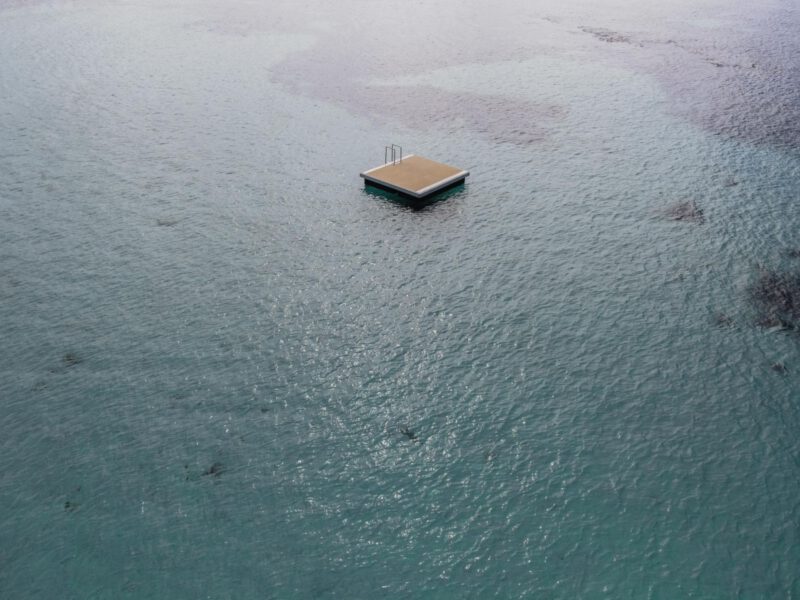
Don’t bolt straight after eating. The island is where Copenhagen’s post-industrial creative scene lives: raw quaysides and murals, the vast Copenhagen Contemporary art warehouse, harbour saunas and swimming spots, the laid-back harbour bar and bakery scene, and — for a completely different budget — the world-famous restaurant Alchemist nearby. CopenHill, the ski-slope power plant, is also on this side of the water, so the energetic can pair the two.
Honest take
Reffen is not “cheap” by non-Danish standards — Copenhagen never is — and on a grey, windy day the exposed quayside can feel bleak. Go when the weather is kind, treat it as a fun, casual graze rather than a destination meal, and it is one of the most enjoyable evenings in the city. One caveat worth knowing: Refshaleøen has been discussed for long-term redevelopment, so the market’s exact footprint may evolve in years to come — another reason to enjoy it while the current setup is humming.